
Exeter Studies in World Orders Caesarism the 21st Century
Uitgelicht

|
105,00 |
Naar shop
|
 Beschrijving
Bol
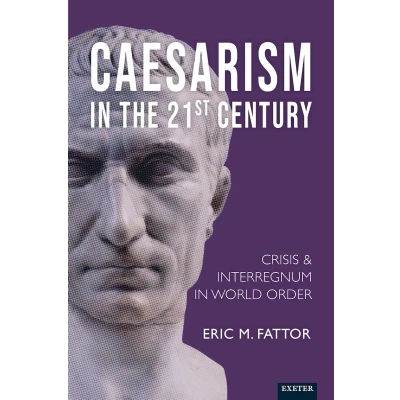
The profound turbulence in global politics is the result of digital information technologies changing the structure and makeup of world order. As these changes unfold, authoritarian leaders have taken advantage of the lack of legitimacy in global governance and exploited electronic media capabilities to become digital Caesars. The troubles of the contemporary moment in history can be interpreted many different ways. Indeed, there has been no shortage of analysis and commentary on events like the attacks of September 11th, the Great Recession, the Arab Spring, the election of Donald Trump and the global pandemic. This book, however, argues that the most insightful analysis comes from the application of a neo-Gramscian framework that sees these events as “morbid symptoms” of an interregnum in world order between an older historic bloc of power losing its legitimacy and a still undefined new historic bloc in the process of being born. Like previous interregnums, this period of transition is marked by eruptions of Caesarism where charismatic “men of destiny” boosted by populist fervor assume leading roles in the governing institutions of their states and make bids for global leadership or domination. Unlike previous eras, however, these “digital Caesars” have been most empowered by the proliferation of electronic information and media capabilities that have revolutionized human interaction since the end of the previous century. At the head of superpower states and Silicon Valley technology companies, this new breed of Caesar is taking advantage of the loss of legitimacy in conventional institutions to remake the world according to their eclectic visions. Like previous Caesars, however, their power is fragile and will likely disappear assuming a new world order can take hold before they do permanent damage to human civilization.


Vergelijk aanbieders (1)

 Beschrijving
(1)
Beschrijving
(1)
The profound turbulence in global politics is the result of digital information technologies changing the structure and makeup of world order. As these changes unfold, authoritarian leaders have taken advantage of the lack of legitimacy in global governance and exploited electronic media capabilities to become digital Caesars. The troubles of the contemporary moment in history can be interpreted many different ways. Indeed, there has been no shortage of analysis and commentary on events like the attacks of September 11th, the Great Recession, the Arab Spring, the election of Donald Trump and the global pandemic. This book, however, argues that the most insightful analysis comes from the application of a neo-Gramscian framework that sees these events as “morbid symptoms” of an interregnum in world order between an older historic bloc of power losing its legitimacy and a still undefined new historic bloc in the process of being born. Like previous interregnums, this period of transition is marked by eruptions of Caesarism where charismatic “men of destiny” boosted by populist fervor assume leading roles in the governing institutions of their states and make bids for global leadership or domination. Unlike previous eras, however, these “digital Caesars” have been most empowered by the proliferation of electronic information and media capabilities that have revolutionized human interaction since the end of the previous century. At the head of superpower states and Silicon Valley technology companies, this new breed of Caesar is taking advantage of the loss of legitimacy in conventional institutions to remake the world according to their eclectic visions. Like previous Caesars, however, their power is fragile and will likely disappear assuming a new world order can take hold before they do permanent damage to human civilization.
 Productspecificaties
| EAN |
|
|---|---|
| Maat |
|
Prijzen voor het laatst bijgewerkt op:
 Gerelateerde producten


