
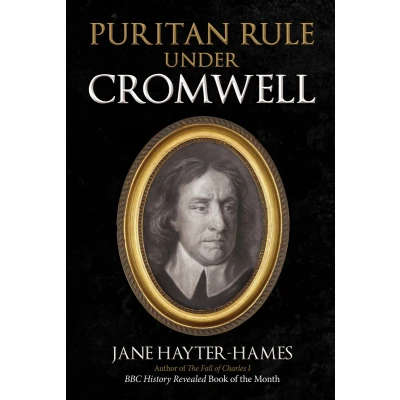
Puritan Rule Under Cromwell
Uitgelicht

|
26,99 |
Naar shop
|
 Beschrijving
Bol
The execution of Charles I in 1649 began a decade of constitutional experiment. In 1660, Charles I’s son was restored as king. This book shows who gained power, why they failed, how the constitution was revised and why the monarchy was reinstated. The execution of Charles I left the Puritans free to rule England and put their beliefs into practice. Once Oliver Cromwell conquered Ireland, they began a process of radical change there, confiscating land, awarding it to British Protestants and reorganising church and state. Protestant Scotland was a different challenge. When Charles II landed, the Scots rallied around him but Cromwell broke through, flushed the royalists into England and beat them at Worcester. Scotland was not punished as Ireland was, but it was ruled from London. With power in their hands, why did the Commonwealthsmen fail? Was it divergent aims among the leaders, an inability to organise or lack of money? A godly way of life pleased few while taxation remained high. Millenarian excitement and domination by the army alarmed many and social reform proved slow. Revolution proved easy to make but hard to settle. In an age of religious ferment and commercial expansion, competing interests pressed their advantage. Oliver Cromwell’s powerful personality held the three nations together for a decade but, after his death, his son struggled. How could the government and people of the three nations be reconciled? Only a powerful general and a legitimate heir could restore order.


Vergelijk aanbieders (1)

 Beschrijving
(1)
Beschrijving
(1)
The execution of Charles I in 1649 began a decade of constitutional experiment. In 1660, Charles I’s son was restored as king. This book shows who gained power, why they failed, how the constitution was revised and why the monarchy was reinstated. The execution of Charles I left the Puritans free to rule England and put their beliefs into practice. Once Oliver Cromwell conquered Ireland, they began a process of radical change there, confiscating land, awarding it to British Protestants and reorganising church and state. Protestant Scotland was a different challenge. When Charles II landed, the Scots rallied around him but Cromwell broke through, flushed the royalists into England and beat them at Worcester. Scotland was not punished as Ireland was, but it was ruled from London. With power in their hands, why did the Commonwealthsmen fail? Was it divergent aims among the leaders, an inability to organise or lack of money? A godly way of life pleased few while taxation remained high. Millenarian excitement and domination by the army alarmed many and social reform proved slow. Revolution proved easy to make but hard to settle. In an age of religious ferment and commercial expansion, competing interests pressed their advantage. Oliver Cromwell’s powerful personality held the three nations together for a decade but, after his death, his son struggled. How could the government and people of the three nations be reconciled? Only a powerful general and a legitimate heir could restore order.
 Productspecificaties
| EAN |
|
|---|---|
| Maat |
|
Prijzen voor het laatst bijgewerkt op:
 Gerelateerde producten


