
What Should I Read Next?
Uitgelicht

|
29,99 |
Naar shop
|
 Beschrijving
Bol
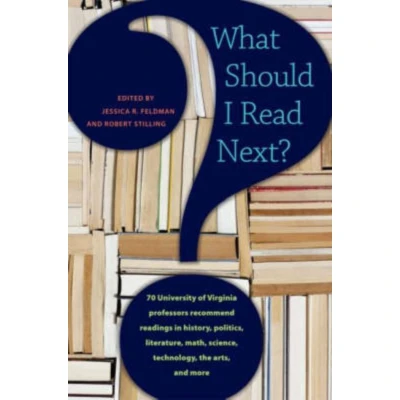
Even the most well-read among us feel gaps in our knowledge. This book recommends titles that speak to the contributors' area of inquiry, providing both a general introduction and commentary on each selection. It considers topics such as: how computing changes thinking, the life and afterlife of slavery, understanding cities, and ecstatic poetry. Even the most well-read among us feel gaps in our knowledge. Former English majors or art students want to understand the monetary system; mathematicians or doctors just want a great novel. Travel sections in bookstores are full of authors ready to tell you the hundred places to visit before you die, but what about the best book to read on global warming?""What Should I Read Next?"" taps seventy University of Virginia professors in an array of fields for suggestions on how to satisfy this nagging intellectual curiosity. Each contributor recommends five titles that speak to their area of inquiry, providing both a general introduction and commentary on each selection. The results read like a series of personal tutorials: Larry Sabato considers how political power is acquired, used, and held onto; climatologist Robert E. Davis provides a timely navigation of global-warming literature; and Michael Levenson offers five ways to approach James Joyce's Ulysses. Other topics include how computing changes thinking, the life and afterlife of slavery, understanding cities, and ecstatic poetry. The entries convey the contributors' expertise but also, more importantly, the enthusiasm, the original kernels of curiosity, that drew these scholars to their life's work.Designed for the lifelong learner who wants to branch out from his or her own profession or discipline, these explorations - of art, science, history, technology, politics, and much more - offer an inspiring place to start.


Vergelijk aanbieders (1)

 Beschrijving
(1)
Beschrijving
(1)
Even the most well-read among us feel gaps in our knowledge. This book recommends titles that speak to the contributors' area of inquiry, providing both a general introduction and commentary on each selection. It considers topics such as: how computing changes thinking, the life and afterlife of slavery, understanding cities, and ecstatic poetry. Even the most well-read among us feel gaps in our knowledge. Former English majors or art students want to understand the monetary system; mathematicians or doctors just want a great novel. Travel sections in bookstores are full of authors ready to tell you the hundred places to visit before you die, but what about the best book to read on global warming?""What Should I Read Next?"" taps seventy University of Virginia professors in an array of fields for suggestions on how to satisfy this nagging intellectual curiosity. Each contributor recommends five titles that speak to their area of inquiry, providing both a general introduction and commentary on each selection. The results read like a series of personal tutorials: Larry Sabato considers how political power is acquired, used, and held onto; climatologist Robert E. Davis provides a timely navigation of global-warming literature; and Michael Levenson offers five ways to approach James Joyce's Ulysses. Other topics include how computing changes thinking, the life and afterlife of slavery, understanding cities, and ecstatic poetry. The entries convey the contributors' expertise but also, more importantly, the enthusiasm, the original kernels of curiosity, that drew these scholars to their life's work.Designed for the lifelong learner who wants to branch out from his or her own profession or discipline, these explorations - of art, science, history, technology, politics, and much more - offer an inspiring place to start.
 Productspecificaties
| EAN |
|
|---|---|
| Maat |
|
Prijzen voor het laatst bijgewerkt op:
 Gerelateerde producten


