








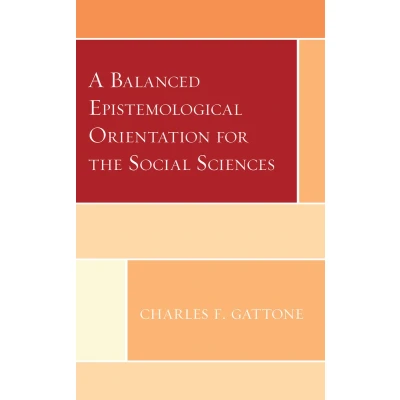
A Balanced Epistemological Orientation for the Social Sciences
Uitgelicht

|
35,99 |
Naar shop
|
 Beschrijving
Bol
This book examines the strengths and weaknesses of four salient epistemological orientations in the field – positivism, relativism, interpretivism, and intersubjectivism – to identify the characteristics of a theoretically-informed epistemology for social science. A Balanced Epistemological Orientation for the Social Sciences challenges social researchers to rethink the epistemological assumptions grounding their work. It reviews the strengths and weaknesses of four salient epistemological orientations in the field – positivism, relativism, interpretivism, and intersubjectivism – to identify the characteristics of a theoretically-informed epistemology for social science. Relying on such an epistemology means seeking a deeper understanding of the social world without losing sight of the constructed nature of one’s conceptual frames. It involves adopting a reflexive position with regard to the norms and traditions in one’s area of specialization and in the field as a whole. Epistemologically-balanced social research is neither the dispassionate gathering of factual information, nor the elaboration of universal assessments formed on the basis of armchair speculation. It involves engaging in inquiry in an independent manner and being aware of the perspectival character of the claims being made in the attempt to shed new light on social phenomena. The caliber of social science can be elevated when researchers recognize the symbolic nature of their work and the significance of their conclusions in the larger social order.


Vergelijk aanbieders (1)

 Beschrijving
(1)
Beschrijving
(1)
This book examines the strengths and weaknesses of four salient epistemological orientations in the field – positivism, relativism, interpretivism, and intersubjectivism – to identify the characteristics of a theoretically-informed epistemology for social science. A Balanced Epistemological Orientation for the Social Sciences challenges social researchers to rethink the epistemological assumptions grounding their work. It reviews the strengths and weaknesses of four salient epistemological orientations in the field – positivism, relativism, interpretivism, and intersubjectivism – to identify the characteristics of a theoretically-informed epistemology for social science. Relying on such an epistemology means seeking a deeper understanding of the social world without losing sight of the constructed nature of one’s conceptual frames. It involves adopting a reflexive position with regard to the norms and traditions in one’s area of specialization and in the field as a whole. Epistemologically-balanced social research is neither the dispassionate gathering of factual information, nor the elaboration of universal assessments formed on the basis of armchair speculation. It involves engaging in inquiry in an independent manner and being aware of the perspectival character of the claims being made in the attempt to shed new light on social phenomena. The caliber of social science can be elevated when researchers recognize the symbolic nature of their work and the significance of their conclusions in the larger social order.
 Productspecificaties
| EAN |
|
|---|---|
| Maat |
|
 Prijshistorie
Prijzen voor het laatst bijgewerkt op:
 Gerelateerde resultaten


