


€ 175,00 Gratis verzending

Gesponsorde links
|
|
175,00 |
Naar shop
|

|
184,40 |
Naar shop
|

|
184,40 |
Naar shop
|
| VERGELIJK ALLE AANBIEDERS (3) | ||
 Beschrijving
Vergelijk aanbieders (3)
Gesponsorde links · Sommige shops betalen ons een vergoeding
€ 175,00 Gratis verzending
€ 184,40 Gratis verzending
€ 184,40 Gratis verzending
Winkels met andere maten
Beschrijving
(1)
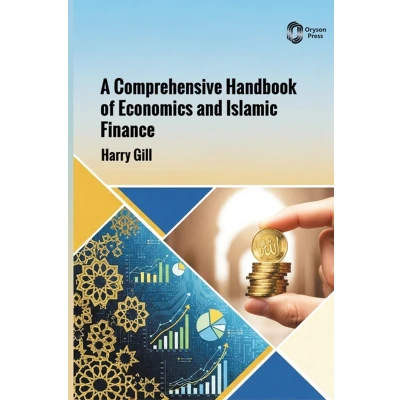
A Comprehensive Handbook of Economics and Islamic Finance explores the critical intersection of economic theory and ethical financial practices, a domain of increasing global relevance. Conventional financial systems often grapple with issues of stability, equity, and ethical considerations, while Islamic finance offers a distinct paradigm rooted in principles of justice, risk-sharing, and social welfare. Understanding these divergent yet sometimes complementary approaches is crucial for sustainable economic development and financial inclusion.This handbook delves into the epistemological foundations of both financial systems, re-examining Islamic finance through the lens of conventional economics, particularly concerning interest prohibition and risk sharing. It elucidates Islam's foundational market principles, emphasizing Knightian uncertainty and economic justice, and provides a historical and future outlook on finance and development. Key topics include financial inclusion strategies, social safety nets like Takaful, Islamic capital markets, and the performance of Islamic stock markets. The book also surveys economic development in OIC countries and addresses policy challenges for integrating Islamic principles.This essential resource is designed for students, researchers, policymakers, and practitioners seeking a nuanced understanding of economics and Islamic finance.
 Prijshistorie
* Prijshistorie bevat geen data van Amazon, Amazon Marketplace.
Prijzen voor het laatst bijgewerkt op:
 Gerelateerde resultaten
 Productspecificaties


