

€ 88,43 € 3,14 verzendkosten Totaal € 91,57

Uitgelicht
|
|
88,43 |
Naar shop
|

|
88,43 |
Naar shop
|

|
125,00 |
Naar shop
|
| VERGELIJK ALLE AANBIEDERS (3) | ||
 Beschrijving
Vergelijk aanbieders (3)
€ 88,43 € 3,14 verzendkosten Totaal € 91,57
€ 88,43 € 3,14 verzendkosten Totaal € 91,57
€ 125,00 Gratis verzending
Winkels met andere maten
Beschrijving
(1)
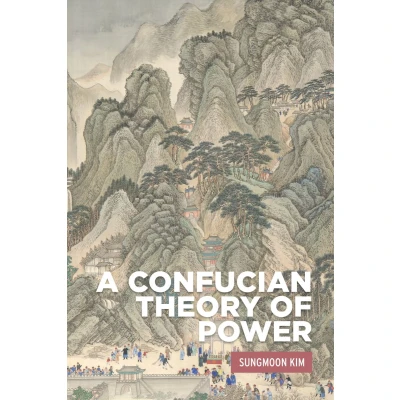
This book reconstructs the Confucian account of power in terms of responsibility from historical and normative perspectives. It pays special attention to the liability and active dimensions of Confucian power as responsibility, which undergirds “responsibility meritocracy” and “Confucian active citizenship,” respectively. Confucianism is commonly understood as a philosophical, ethical, and political tradition that centers around virtue. Little attention, however, has been paid to the idea of power in the Confucian context – what it means, how it should be exercised, and how it is to be conceptualized in contemporary philosophical terms. This book provides a comprehensive philosophical analysis of power in the Confucian political tradition from both historical and normative standpoints. It investigates how power was conceptualized from the perspective of virtue politics, generating two competing accounts of power (i.e. political power and moral power), and how the Confucians’ struggles with the ruler’s political power led them to transform moral power into an active exercise of responsibility that defies a simple causal reasoning. The account of Confucian power as responsibility can explain why ideas that lie at the heart of the Western political tradition, such as the separation of powers, were given far less attention in Confucian political theory while inviting us to rethink meritorious government and active citizenship in the contemporary East Asian context that is increasingly troubled by structural injustice. It shows that the liability and active dimension of Confucian power as responsibility undergirds “responsibility meritocracy” and “Confucian active citizenship,” respectively, thus providing a fresh perspective on the debate between democrats and meritocrats. In the book's lead essay, Sungmoon Kim offers a comprehensive analysis of Confucian power. Through a blend of philosophical, political, and historical analysis, Kim challenges the dominant idea that Confucianism is primarily centred on virtue ethics. Instead, he argues that Confucianism perceives power through the prism of responsibility. Kim not only traces this perspective throughout history but also demonstrates its relevance to contemporary society. He contrasts this Confucian perspective with Western political theory's view of power as control.Political theorists and philosophers will offer essay responses to Sungmoon Kim’s provocation, offering a dialogue approach to provide a comprehensive analysis of the Confucian conception of power.
 Prijshistorie
 * Prijshistorie bevat geen data van Amazon, Amazon Marketplace.
Prijzen voor het laatst bijgewerkt op:
 Gerelateerde resultaten
 Productspecificaties


