
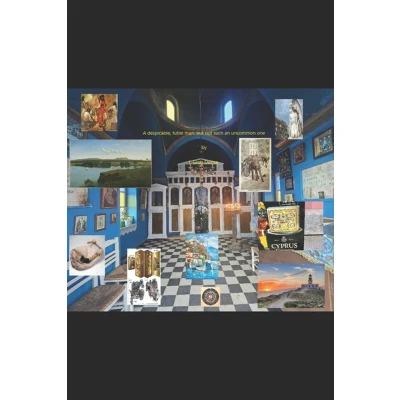
A despicable, futile man: but not such an uncommon one
Uitgelicht

|
20,00 |
Naar shop
|

|
21,61 |
Naar shop
|

|
21,61 |
Naar shop
|
| VERGELIJK ALLE AANBIEDERS (3) | ||
 Beschrijving
Bol
Mr Deane's hilariously provocative new work, The despicable, futile man, is a compelling and thought-provoking tale set in the harsh landscape of the Greek Cyclades islands. The author masterfully weaves together themes of religion, morality, and human nature, creating a story that is both powerful and haunting. The narrative begins with a crisis in the family of the eponymous character, climaxing to a fight between his two aunts over his marriage prospects, setting the stage for a deeper exploration of familial relationships, social norms, and the consequences of love and rivalry. The fierce altercation between Stanley's two aunts, Dorothea Kafe and Dorothea Prasino, results in one of them sustaining a serious injury. Their argument erupts out of existential fear for the regeneration of both the materteral and amicular branches of the nearly defunct Ypoulos family. As it happens they had no need to fear the next generation of the family. Though Stanley is a generative personality he does not prove himself to be a nurturing parent, except to a limited extent towards his daughter Irinika.While the socially maladroit anti-hero and despicable man, Stanley Ypoulos, the story centres on the poverty, deprivation, and the loneliness of a population that depends on the cruel whimsicality of a child plutocrat who grows to become a de facto oligarch. Despite being orphaned several times over, and particularly unpersonable, his relative wealth brings him popularity to which he appears indifferent. It is a bathetic yet heartbreaking exploration of human suffering, set in an atmosphere of isolation. It is also an island that the natives want to preserve, to wall off from immigration, from foreigners who are replacing them. Stanley Ypoulos is most villainous because of his indifference to this migration, though he has no need of any profits he makes from immigration. Yet Stanley can share vicariously in the harsh joys deeply rooted in the rural, atmospheric landscape of his island, merging material immiseration with spiritual hope. Though he is neither poor nor spiritual he is part of this landscape along with those he exploits. The story serves as a sharp criticism of societal indifference toward the vulnerable, though the reader may be encouraged by a hint of nemesis in the closing scenes in a story that is in many ways devoid of grace and light, in which the wiser characters are plunged, laughing, into gloomy despair. Others are merely hopeless. All the characters are despicable to varying degrees.


 Beschrijving
(1)
Beschrijving
(1)
Mr Deane's hilariously provocative new work, The despicable, futile man, is a compelling and thought-provoking tale set in the harsh landscape of the Greek Cyclades islands. The author masterfully weaves together themes of religion, morality, and human nature, creating a story that is both powerful and haunting. The narrative begins with a crisis in the family of the eponymous character, climaxing to a fight between his two aunts over his marriage prospects, setting the stage for a deeper exploration of familial relationships, social norms, and the consequences of love and rivalry. The fierce altercation between Stanley's two aunts, Dorothea Kafe and Dorothea Prasino, results in one of them sustaining a serious injury. Their argument erupts out of existential fear for the regeneration of both the materteral and amicular branches of the nearly defunct Ypoulos family. As it happens they had no need to fear the next generation of the family. Though Stanley is a generative personality he does not prove himself to be a nurturing parent, except to a limited extent towards his daughter Irinika.While the socially maladroit anti-hero and despicable man, Stanley Ypoulos, the story centres on the poverty, deprivation, and the loneliness of a population that depends on the cruel whimsicality of a child plutocrat who grows to become a de facto oligarch. Despite being orphaned several times over, and particularly unpersonable, his relative wealth brings him popularity to which he appears indifferent. It is a bathetic yet heartbreaking exploration of human suffering, set in an atmosphere of isolation. It is also an island that the natives want to preserve, to wall off from immigration, from foreigners who are replacing them. Stanley Ypoulos is most villainous because of his indifference to this migration, though he has no need of any profits he makes from immigration. Yet Stanley can share vicariously in the harsh joys deeply rooted in the rural, atmospheric landscape of his island, merging material immiseration with spiritual hope. Though he is neither poor nor spiritual he is part of this landscape along with those he exploits. The story serves as a sharp criticism of societal indifference toward the vulnerable, though the reader may be encouraged by a hint of nemesis in the closing scenes in a story that is in many ways devoid of grace and light, in which the wiser characters are plunged, laughing, into gloomy despair. Others are merely hopeless. All the characters are despicable to varying degrees.
 Productspecificaties
 Prijshistorie
* Prijshistorie bevat geen data van Amazon, Amazon Marketplace.
Prijzen voor het laatst bijgewerkt op:
 Gerelateerde resultaten


