

€ 54,57 Gratis verzending

Uitgelicht
|
|
54,57 |
Naar shop
|

|
54,57 |
Naar shop
|

|
75,99 |
Naar shop
|
| VERGELIJK ALLE AANBIEDERS (3) | ||
 Beschrijving
Vergelijk aanbieders (3)
€ 54,57 Gratis verzending
€ 54,57 Gratis verzending
€ 75,99 Gratis verzending
Winkels met andere maten
Beschrijving
(1)
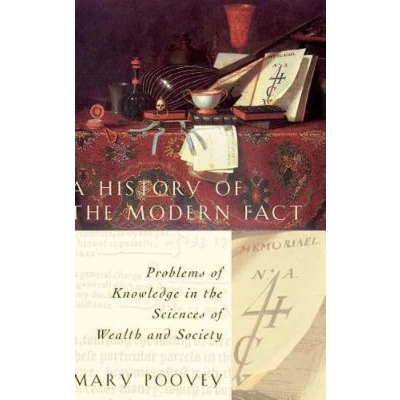
Showing the epistemological conditions that have made modern, social and economic knowledge possible, this text explores questions such as, "how did fact become modernity's most favoured unit of knowledge?". Exploring such questions as "how did fact become modernity's most favoured unit of knowledge?", this text contains ideas and texts from the publication of the first British manual on double-entry bookkeeping in 1588 to the institutionalization of statistics in the 1830s. It shows how the production of systematic knowledge from descriptions of observed particulars influenced government; how numerical representation became the privileged vehicle for generating useful facts; and how belief - whether figured as credit, credibility, or credulity - remained essential to the production of knowledge.
 Prijshistorie
 * Prijshistorie bevat geen data van Amazon, Amazon Marketplace.
Prijzen voor het laatst bijgewerkt op:
 Gerelateerde resultaten
 Productspecificaties


