


€ 99,45 Gratis verzending

Uitgelicht
|
|
99,45 |
Naar shop
|
| VERGELIJK ALLE AANBIEDERS (1) | ||
 Beschrijving
Vergelijk aanbieders (1)
€ 99,45 Gratis verzending
Winkels met andere maten
Beschrijving
(1)
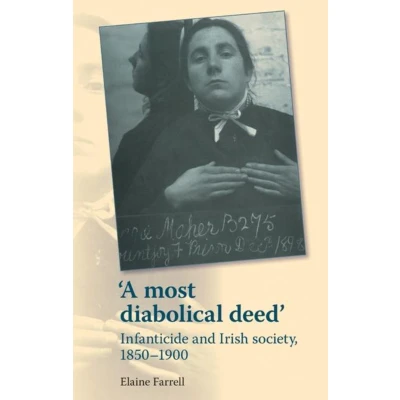
This book examines the phenomenon of infanticide in Ireland from 1850 to 1900. It is based on a large sample of 4,645 individual cases of infant murder, attempted infanticide and concealment of birth. Through a variety of sources, attitudes towards the crime of infanticide and women accused of the offence are revealed. This book examines the phenomenon of infanticide in Ireland, described by the Western Star in 1865 as ‘A most diabolical deed’. It is based on 4,645 individual cases of suspected infant murder, attempted infanticide and concealment of birth discovered between the years 1850 and 1900. Through a variety of sources, many of which are rarely used by scholars, attitudes towards the crime of infanticide and women accused of the offence in late nineteenth-century Ireland are revealed. The voices of witnesses, policemen and defendants, recorded in inquest statements, court testimonies and petitions to prison authorities, describe how women’s bodies were monitored, how neighbourhood gossip and rumours about hidden pregnancies and suspected infanticide cases were interpreted by locally resident policemen, and how local communities and family members could both protect and expose women suspects. Cases of infanticide also allude to the vulnerability of women during this period, revealing much about the sexual relationship that led to the pregnancy, the lack of available resources to deal with an unwanted pregnancy, and the manner in which women were deemed fully responsible for their ‘illegitimate’ babies. This engaging and accessible book, incorporating the voices of nineteenth-century Irish inhabitants, will appeal both to scholars of Irish social history and non-academic readers alike. This book examines the phenomenon of infanticide in Ireland from 1850 to 1900, examining a sample of 4,645 individual cases of infant murder, attempted infanticide and concealment of birth. Evidence for this study has been gleaned from a variety of sources, including court documents, coroners’ records, prison files, parliamentary papers, and newspapers. Through these sources, many of which are rarely used by scholars, attitudes towards the crime, the women accused of the offence, and the victim, are revealed. Although infant murder was a capital offence during this period, none of the women found guilty of the crime were executed, suggesting a degree of sympathy and understanding towards the accused. Infanticide cases also allude to complex dynamics and tensions between employers and servants, parents and pregnant daughters, judges and defendants, and prison authorities and inmates. This book highlights much about the lived realities of nineteenth-century Ireland.
 Productspecificaties
| EAN |
|
|---|---|
| Maat |
|
 Prijshistorie
 Prijzen voor het laatst bijgewerkt op:
 Gerelateerde resultaten


