








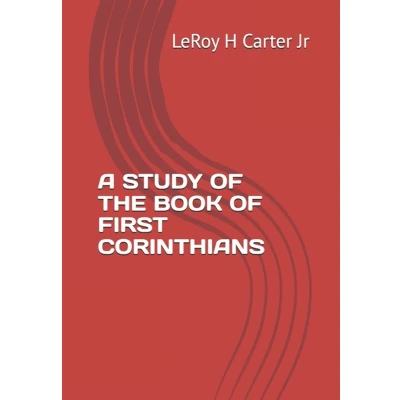
A STUDY OF THE BOOK FIRST CORINTHIANS
Uitgelicht

|
10,50 |
Naar shop
|
 Beschrijving
Bol
The social environment in Corinth was marked by great disparity. Wealth was concentrated among a small elite, while a large portion of the population struggled with poverty. This economic divide often influenced social interactions, with affluent citizens enjoying luxury and excess, and the lower classes seeking hope and purpose through new spiritual teachings. Such economic contrast created both challenges and opportunities for the early church; it had to address issues of social justice and provide a sense of community and equality among believers. The social divisions in Corinth also affected how faith communities organized themselves, with some groups forming around particular socioeconomic lines or cultural backgrounds. Recognizing these dynamics helps clarify the strategies early Christian leaders used to both reach and unify diverse groups, emphasizing unity in Christ as a transformative social message.Religion in Corinth was equally complex. The city was religiously pluralistic, with temples and shrines dedicated to numerous gods and goddesses. Public festivals honoring these deities included feasts, sacrifices, and rituals that often involved drunkenness and immoral behavior. These practices posed moral challenges for early Christians who sought to live differently. For instance, participation in pagan rituals was common, yet Christian teachings called believers to stand apart from idol worship and pagan festivities. The tension between participating in civic religion and maintaining Christian integrity created a unique set of struggles for converts. The Apostle Paul addressed these issues directly in his letters, encouraging believers to prioritize their spiritual identity over societal and religious pressures. His teachings helped shape the early church's view of morality, community, and discipleship in a challenging environment.


Vergelijk aanbieders (1)

 Beschrijving
(1)
Beschrijving
(1)
The social environment in Corinth was marked by great disparity. Wealth was concentrated among a small elite, while a large portion of the population struggled with poverty. This economic divide often influenced social interactions, with affluent citizens enjoying luxury and excess, and the lower classes seeking hope and purpose through new spiritual teachings. Such economic contrast created both challenges and opportunities for the early church; it had to address issues of social justice and provide a sense of community and equality among believers. The social divisions in Corinth also affected how faith communities organized themselves, with some groups forming around particular socioeconomic lines or cultural backgrounds. Recognizing these dynamics helps clarify the strategies early Christian leaders used to both reach and unify diverse groups, emphasizing unity in Christ as a transformative social message.Religion in Corinth was equally complex. The city was religiously pluralistic, with temples and shrines dedicated to numerous gods and goddesses. Public festivals honoring these deities included feasts, sacrifices, and rituals that often involved drunkenness and immoral behavior. These practices posed moral challenges for early Christians who sought to live differently. For instance, participation in pagan rituals was common, yet Christian teachings called believers to stand apart from idol worship and pagan festivities. The tension between participating in civic religion and maintaining Christian integrity created a unique set of struggles for converts. The Apostle Paul addressed these issues directly in his letters, encouraging believers to prioritize their spiritual identity over societal and religious pressures. His teachings helped shape the early church's view of morality, community, and discipleship in a challenging environment.
 Productspecificaties
| EAN |
|
|---|---|
| Maat |
|
 Gerelateerde producten


