


gebruikt € 21,09 Gratis verzending

Uitgelicht
|
|
21,09 |
Naar shop
|

|
23,51 |
Naar shop
|

|
23,51 |
Naar shop
|
| VERGELIJK ALLE AANBIEDERS (3) | ||
 Beschrijving
Vergelijk aanbieders (3)
gebruikt € 21,09 Gratis verzending
€ 23,51 Gratis verzending
€ 23,51 Gratis verzending
Winkels met andere maten
Beschrijving
(1)
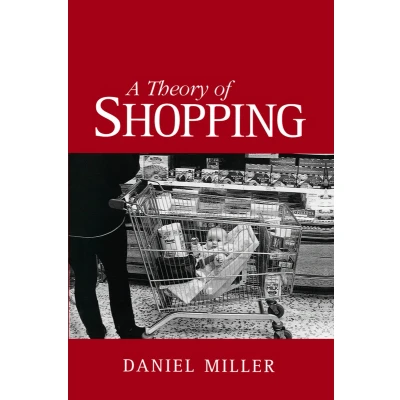
A Theory of Shopping offers a highly original perspective on one of our most basic everyday activities -- shopping. We commonly assume that shopping is primarily concerned with individuals and materialism. A Theory of Shopping offers a highly original perspective on one of our most basic everyday activities - shopping. We commonly assume that shopping is primarily concerned with individuals and materialism. But Miller rejects this assumption and follows the surprising route of analysing shopping by means of an analogy with anthropological studies of sacrificial ritual. He argues that the act of purchasing goods is almost always linked to other social relations, and most especially those based on love and care. The ethnographic sections of the book are based on a year's study of shopping on a street in North London. This provides the basis for a sensitive description of the issues the shopper confronts when making decisions as to what to buy. Miller develops a theory to account for these observations, arguing that shopping typically consists of three major stages which reflect the three key stages of many rites of sacrifice. In both shopping and sacrifice the ultimate intention is to constitute others as desiring subjects. Finally the book examines certain historical shifts in both subjects and objects of devotion, in particular, ideals of gender and love. This treatment of shopping from the perspective of comparative anthropology represents a highly innovative approach to one of the most familiar tasks of our daily lives. Written in a clear and accessible manner, this book will be of interest to students and academics in anthropology, sociology and cultural studies, as well as anybody who wants to consider more deeply the nature of their own everyday activities. A Theory of Shopping offers a highly original perspective on one of our most basic everyday activities - shopping. We commonly assume that shopping is primarily concerned with individuals and materialism. But Miller rejects this assumption and follows the surprising route of analysing shopping by means of an analogy with anthropological studies of sacrificial ritual. He argues that the act of purchasing goods is almost always linked to other social relations, and most especially those based on love and care. The ethnographic sections of the book are based on a year's study of shopping on a street in North London. This provides the basis for a sensitive description of the issues the shopper confronts when making decisions as to what to buy. Miller develops a theory to account for these observations, arguing that shopping typically consists of three major stages which reflect the three key stages of many rites of sacrifice. In both shopping and sacrifice the ultimate intention is to constitute others as desiring subjects. Finally the book examines certain historical shifts in both subjects and objects of devotion, in particular, ideals of gender and love. This treatment of shopping from the perspective of comparative anthropology represents a highly innovative approach to one of the most familiar tasks of our daily lives. Written in a clear and accessible manner, this book will be of interest to students and academics in anthropology, sociology and cultural studies, as well as anybody who wants to consider more deeply the nature of their own everyday activities.
 Gerelateerde resultaten
 Productspecificaties


