








Accommodating the Republic
Uitgelicht

|
27,99 |
Naar shop
|
 Beschrijving
Bol
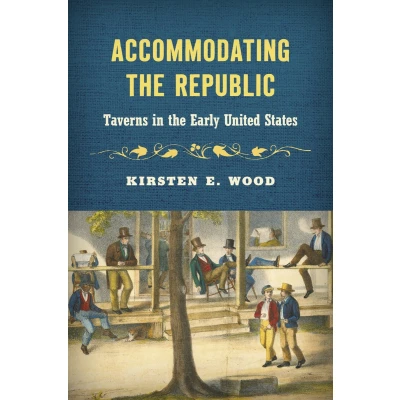
Argues that entrepreneurial, improvement-minded men integrated many village and town taverns into the US’s rapidly developing transportation network and used tavern spaces and networks to raise capital, promote business, practice genteel sociability, and rally support for favoured causes - often while drinking the staggering amounts of alcohol. People have gathered in public drinking places to drink, relax, socialize, and do business for hundreds of years. For just as long, critics have described taverns and similar drinking establishments as sources of individual ruin and public disorder. Examining these dynamics as Americans surged westward in the early nineteenth century, Kirsten E. Wood argues that entrepreneurial, improvement-minded men integrated many village and town taverns into the nation's rapidly developing transportation network and used tavern spaces and networks to raise capital, promote innovative businesses, practice genteel sociability, and rally support for favored causes—often while drinking the staggering amounts of alcohol for which the period is justly famous. White men's unrivaled freedom to use taverns for their own pursuits of happiness gave everyday significance to citizenship in the early republic. Yet white men did not have taverns to themselves. Sharing tavern spaces with other Americans intensified white men's struggles to define what, and for whom, taverns should be. At the same time, temperance and other reform movements increasingly divided white men along lines of party, conscience, and class. In both conflicts, some improvement-minded white men found common cause with middle-class white women and Black activists, who had their own stake in rethinking taverns and citizenship.


Vergelijk aanbieders (1)

 Beschrijving
(1)
Beschrijving
(1)
Argues that entrepreneurial, improvement-minded men integrated many village and town taverns into the US’s rapidly developing transportation network and used tavern spaces and networks to raise capital, promote business, practice genteel sociability, and rally support for favoured causes - often while drinking the staggering amounts of alcohol. People have gathered in public drinking places to drink, relax, socialize, and do business for hundreds of years. For just as long, critics have described taverns and similar drinking establishments as sources of individual ruin and public disorder. Examining these dynamics as Americans surged westward in the early nineteenth century, Kirsten E. Wood argues that entrepreneurial, improvement-minded men integrated many village and town taverns into the nation's rapidly developing transportation network and used tavern spaces and networks to raise capital, promote innovative businesses, practice genteel sociability, and rally support for favored causes—often while drinking the staggering amounts of alcohol for which the period is justly famous. White men's unrivaled freedom to use taverns for their own pursuits of happiness gave everyday significance to citizenship in the early republic. Yet white men did not have taverns to themselves. Sharing tavern spaces with other Americans intensified white men's struggles to define what, and for whom, taverns should be. At the same time, temperance and other reform movements increasingly divided white men along lines of party, conscience, and class. In both conflicts, some improvement-minded white men found common cause with middle-class white women and Black activists, who had their own stake in rethinking taverns and citizenship.
 Productspecificaties
| EAN |
|
|---|---|
| Maat |
|
 Gerelateerde producten


