


gebruikt € 15,48 Gratis verzending

Uitgelicht
|
|
15,48 |
Naar shop
|
| VERGELIJK ALLE AANBIEDERS (1) | ||
 Beschrijving
Vergelijk aanbieders (1)
gebruikt € 15,48 Gratis verzending
Winkels met andere maten
Beschrijving
(1)
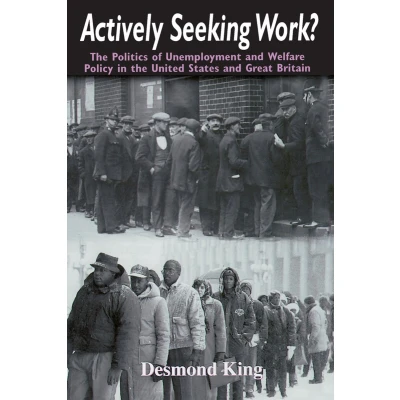
The liberal political origins of work-welfare programmes and issues of conflicting goals is documented in this text. With examples derived from Great Britain and America, the incorporation of liberal requirements and private market forces in providing opportunities for the unemployed is discussed. Why have both Great Britain and the United States been unable to create effective training and work programmes for the unemployed? The author contends that the answer lies in the liberal political origins of these programmes. Integrating documentary materials with an analysis of the sources of political support for work-welfare programs, King shows that policy-makers in both Great Britain and the United States have tried to achieve conflicting goals through these programmes. The goal of work-welfare policy in both countries has been to provide financial aid, training and placement services for the unemployed. In order to muster support for these programmes, however, work-welfare programmes had to incorporate liberal requirements that they not interfere with private market forces, and that they prevent the "undeserving" from obtaining benefits. The attempt to integrate these incompatible functions is arguably the defining feature of British and American policies as well as the cause of their failure.
 Productspecificaties
| EAN |
|
|---|---|
| Maat |
|
 Gerelateerde resultaten


