

€ 72,68 Gratis verzending

Uitgelicht
|
|
72,68 |
Naar shop
|

|
76,99 |
Naar shop
|
| VERGELIJK ALLE AANBIEDERS (2) | ||
 Beschrijving
Vergelijk aanbieders (2)
€ 72,68 Gratis verzending
€ 76,99 Gratis verzending
Winkels met andere maten
Beschrijving
(1)
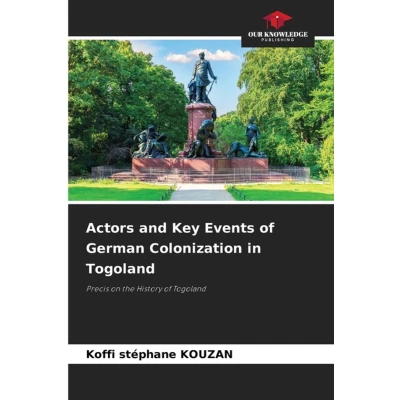
The colonization of the territory known as Togoland by the German Empire began in 1884 with the signing of protectorate treaties between the explorer and imperial commissioner Gustav Nachtigal and certain coastal chiefs. The German colonial administration then established a system of economic exploitation based on plantations (cocoa, cotton, coffee) and the construction of infrastructure such as railways and the port of Lomé. Administrators and governors such as Jesko von Puttkamer played a central role in the organization of the territory and the imposition of colonial authority, often through coercion and forced labor. Despite the reputation of a "model colony" that the German authorities sought to promote, colonial rule sparked local resistance and tensions. This period ended in 1914 when French and British forces invaded the territory at the beginning of World War I, leading to the German defeat and the division of the territory between the allied powers.
 Prijshistorie
 * Prijshistorie bevat geen data van Amazon.
Prijzen voor het laatst bijgewerkt op:
 Gerelateerde resultaten
 Productspecificaties


