
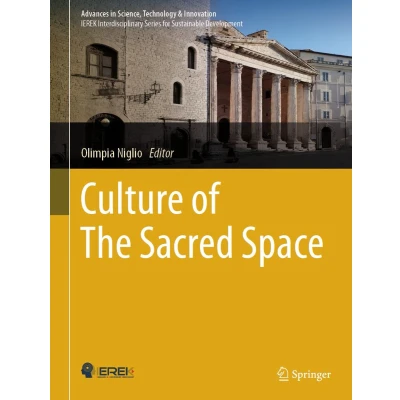
Advances in Science, Technology & Innovation Culture of The Sacred Space
Uitgelicht

|
209,00 |
Naar shop
|
| VERGELIJK ALLE AANBIEDERS (1) | ||
 Beschrijving
Bol
This book highlights the relationship between sacred architecture and tourism, specifically focusing on the role of interior design strategies. It explores how the interior design of sacred spaces can influence the tourist experience and shape their perception of these places. The book touches upon elements such as spatial organization, symbolism, material selection, lighting, and acoustics, all of which contribute to creating a meaningful and immersive environment for visitors. It explores the architectural design, ideological motivations, and the historical context surrounding the palace's construction. The book also addresses the eventual abandonment of the project and its transformation of their uses, reflecting on the complexities of realizing utopian visions in architecture. It examines how the sanctuary's architectural design and spatial arrangement interact with the surrounding landscape, including elements such as topography, vegetation, and water features. Moreover, it focuses on the interior design and explores the symbolism, spatial organization, artistic elements, and spiritual experiences associated with the dome interiors of these structures. The book showcases the historical context, cultural influences, and the evolution of design principles that shaped these remarkable spaces. Also, this book investigates the transition of visionary architectural drawings from the realm of professional architects. Furthermore, it explores how architectural drawings serve as a medium for expressing imaginative and utopian ideas, and how this transition occurs in the context of architectural education. This book highlights the relationship between sacred architecture and tourism, specifically focusing on the role of interior design strategies. It explores how the interior design of sacred spaces can influence the tourist experience and shape their perception of these places. The book touches upon elements such as spatial organization, symbolism, material selection, lighting, and acoustics, all of which contribute to creating a meaningful and immersive environment for visitors. It explores the architectural design, ideological motivations, and the historical context surrounding the palace's construction. The book also addresses the eventual abandonment of the project and its transformation of their uses, reflecting on the complexities of realizing utopian visions in architecture. It examines how the sanctuary's architectural design and spatial arrangement interact with the surrounding landscape, including elements such as topography, vegetation, and water features. Moreover, it focuses on the interior design and explores the symbolism, spatial organization, artistic elements, and spiritual experiences associated with the dome interiors of these structures. The book showcases the historical context, cultural influences, and the evolution of design principles that shaped these remarkable spaces. Also, this book investigates the transition of visionary architectural drawings from the realm of professional architects. Furthermore, it explores how architectural drawings serve as a medium for expressing imaginative and utopian ideas, and how this transition occurs in the context of architectural education.


Vergelijk aanbieders (1)

 Beschrijving
(1)
Beschrijving
(1)
This book highlights the relationship between sacred architecture and tourism, specifically focusing on the role of interior design strategies. It explores how the interior design of sacred spaces can influence the tourist experience and shape their perception of these places. The book touches upon elements such as spatial organization, symbolism, material selection, lighting, and acoustics, all of which contribute to creating a meaningful and immersive environment for visitors. It explores the architectural design, ideological motivations, and the historical context surrounding the palace's construction. The book also addresses the eventual abandonment of the project and its transformation of their uses, reflecting on the complexities of realizing utopian visions in architecture. It examines how the sanctuary's architectural design and spatial arrangement interact with the surrounding landscape, including elements such as topography, vegetation, and water features. Moreover, it focuses on the interior design and explores the symbolism, spatial organization, artistic elements, and spiritual experiences associated with the dome interiors of these structures. The book showcases the historical context, cultural influences, and the evolution of design principles that shaped these remarkable spaces. Also, this book investigates the transition of visionary architectural drawings from the realm of professional architects. Furthermore, it explores how architectural drawings serve as a medium for expressing imaginative and utopian ideas, and how this transition occurs in the context of architectural education. This book highlights the relationship between sacred architecture and tourism, specifically focusing on the role of interior design strategies. It explores how the interior design of sacred spaces can influence the tourist experience and shape their perception of these places. The book touches upon elements such as spatial organization, symbolism, material selection, lighting, and acoustics, all of which contribute to creating a meaningful and immersive environment for visitors. It explores the architectural design, ideological motivations, and the historical context surrounding the palace's construction. The book also addresses the eventual abandonment of the project and its transformation of their uses, reflecting on the complexities of realizing utopian visions in architecture. It examines how the sanctuary's architectural design and spatial arrangement interact with the surrounding landscape, including elements such as topography, vegetation, and water features. Moreover, it focuses on the interior design and explores the symbolism, spatial organization, artistic elements, and spiritual experiences associated with the dome interiors of these structures. The book showcases the historical context, cultural influences, and the evolution of design principles that shaped these remarkable spaces. Also, this book investigates the transition of visionary architectural drawings from the realm of professional architects. Furthermore, it explores how architectural drawings serve as a medium for expressing imaginative and utopian ideas, and how this transition occurs in the context of architectural education.
 Productspecificaties
| EAN |
|
|---|---|
| Maat |
|
 Prijshistorie
Prijzen voor het laatst bijgewerkt op:
 Gerelateerde resultaten


