


€ 129,00 Gratis verzending

Gesponsorde links
|
|
129,00 |
Naar shop
|

|
139,56 |
Naar shop
|

|
139,56 |
Naar shop
|
| VERGELIJK ALLE AANBIEDERS (3) | ||
 Beschrijving
Vergelijk aanbieders (3)
Gesponsorde links · Sommige shops betalen ons een vergoeding
€ 129,00 Gratis verzending
€ 139,56 Gratis verzending
€ 139,56 Gratis verzending
Winkels met andere maten
Beschrijving
(1)
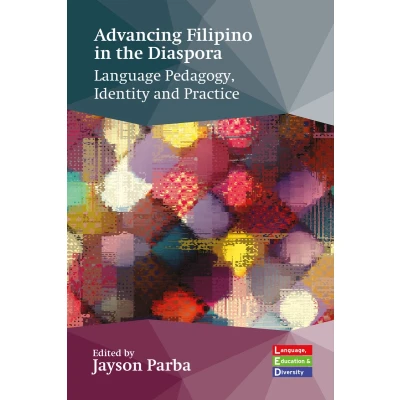
This book explores migration, language use and identity, centering the voices and lived experiences of Filipino language educators. Challenging native speakerism and monolingual ideologies, it promotes more inclusive, dynamic and translingual approaches to Filipino as a diasporic and evolving language. Challenges monolingual and nationalist language frameworks, advocating instead for translingual and diasporic perspectives This edited volume examines Filipino language education across diaspora contexts, exploring how migration and sociopolitical conditions shape language use, identity, teaching and maintenance. Addressing a major gap in heritage language education and applied linguistics, it foregrounds the underrepresented work of Filipino language educators and highlights grassroots, community-driven work. It challenges native speakerism and monolingual ideologies to promote more inclusive, dynamic and translingual approaches to Filipino as a diasporic and evolving language, not confined to homeland or Tagalog-centric norms. Through sections on theoretical framing, identity and classroom pedagogy, the book highlights innovative teaching practices, community engagement and the evolving, lived realities of Filipino language across global contexts. It underscores the vitality of Filipino language in the diaspora and will be of interest to language educators, researchers and activists in Filipino language education, sociolinguistics and Philippine studies.
 Prijshistorie
* Prijshistorie bevat geen data van Amazon, Amazon Marketplace.
Prijzen voor het laatst bijgewerkt op:
 Gerelateerde resultaten
 Productspecificaties


