


€ 209,00 Gratis verzending

Gesponsorde links
|
|
209,00 |
Naar shop
|

|
210,00 |
Naar shop
|

|
210,00 |
Naar shop
|
| VERGELIJK ALLE AANBIEDERS (3) | ||
 Beschrijving
Vergelijk aanbieders (3)
Gesponsorde links · Sommige shops betalen ons een vergoeding
€ 209,00 Gratis verzending
€ 210,00 Gratis verzending
€ 210,00 Gratis verzending
Winkels met andere maten
Beschrijving
(1)
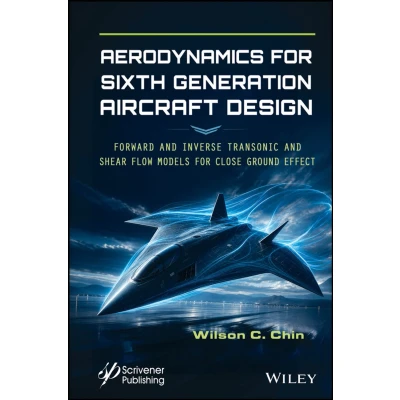
Uniting classical fluid dynamics with cutting-edge AI, this definitive guide empowers aerospace engineers and defense strategists to master the transition from traditional airframe aerodynamics to stealth-driven, sixth-generation aircraft design. Commercial aircraft feature prominent fuselages, long wings extending perpendicular to?the body, and movable control surfaces that manage lift, stability, and navigation during takeoff and landing. In contrast, sixth-generation aircraft abandon traditional airframe separation in favor of a blended wing-body design that drastically reduces radar cross-section, maximizes aerodynamic efficiency at high speeds, and redefines maneuverability. Building on the foundational contributions of Earll Murman, this volume bridges classical aerodynamic theory with modern computational breakthroughs. It addresses critical engineering challenges alongside their military and geopolitical ramifications, demonstrating how classical mathematics, artificial intelligence, and machine learning can unite to drive high-level strategic analysis. The text examines both forward aerodynamic problems, where given shapes yield calculated pressure distributions, and inverse problems, which determine optimal airframe geometry from target pressure profiles. Furthermore, it highlights the integrative power of combining advanced large language models like DeepSeek with classical fluid dynamics, complete with a detailed five-page LLM diagnostic report that illustrates this hybrid approach in action. Bridging foundational physics and?next-generation innovation, this text is an essential guide for aerospace engineers, defense strategists, and researchers ready to master the future of flight. Uniting classical fluid dynamics with cutting-edge AI, this definitive guide empowers aerospace engineers and defense strategists to master the transition from traditional airframe aerodynamics to stealth-driven, sixth-generation aircraft design. Commercial aircraft feature prominent fuselages, long wings extending perpendicular to??the body, and movable control surfaces that manage lift, stability, and navigation during takeoff and landing. In contrast, sixth-generation aircraft abandon traditional airframe separation in favor of a blended wing-body design that drastically reduces radar cross-section, maximizes aerodynamic efficiency at high speeds, and redefines maneuverability. Building on the foundational contributions of Earll Murman, this volume bridges classical aerodynamic theory with modern computational breakthroughs. It addresses critical engineering challenges alongside their military and geopolitical ramifications, demonstrating how classical mathematics, artificial intelligence, and machine learning can unite to drive high-level strategic analysis. The text examines both forward aerodynamic problems, where given shapes yield calculated pressure distributions, and inverse problems, which determine optimal airframe geometry from target pressure profiles. Furthermore, it highlights the integrative power of combining advanced large language models like DeepSeek with classical fluid dynamics, complete with a detailed five-page LLM diagnostic report that illustrates this hybrid approach in action. Bridging foundational physics and??next-generation innovation, this text is an essential guide for aerospace engineers, defense strategists, and researchers ready to master the future of flight.
 Prijshistorie
* Prijshistorie bevat geen data van Amazon, Amazon Marketplace.
Prijzen voor het laatst bijgewerkt op:
 Gerelateerde resultaten
 Productspecificaties


