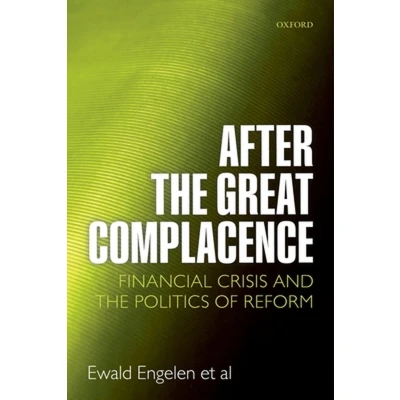

After The Great Complacence

Prijzen vanaf
15,95

Uitgelicht

VERGELIJK ALLE AANBIEDERS (2)

Beschrijving

Bol Partner This book provides an accessible cultural and political analysis of how our disorderly and financialized system of capitalism works, what led to the financial crisis that began in 2007, the policy debates about reform, and why democratic control is difficult after the events of 2008. What is the relationship between the financial system and politics? In a democratic system, what kind of control should elected governments have over the financial markets? What policies should be implemented to regulate them? What is the role played by different elites - financial, technocratic, and political - in the operation and regulation of the financial system? And what role should citizens, investors, and savers play? These are some of the questions addressed in this challenging analysis of the particular features of the contemporary capitalist economy in Britain, the USA, and Western Europe. The authors argue that the causes of the financial crisis lay in the bricolage and innovation in financial markets, resulting in long chains and circuits of transactions and instruments that enabled bankers to earn fees, but which did not sufficiently take into account system risk, uncertainty, and unintended consequences. In the wake of the crisis, the authors argue that social scientists, governments, and citizens need to re-engage with the political dimensions of financial markets. This book offers a controversial and accessible exploration of the disorders of our financial capitalism and its justifications. With an innovative emphasis on the economically 'undisclosed' and the political 'mystifying', it combines technical understanding of finance, cultural analysis, and al political account of interests and institutions.

Vergelijk aanbieders (2)

Shop
Prijs
Verzendkosten
Totale prijs
15,95
gebruikt
Gratis
15,95
Naar shop
Gratis Shipping Costs
35,52
Gratis
35,52
Naar shop
Gratis Shipping Costs
Beschrijving (2)
Bol Partner

This book provides an accessible cultural and political analysis of how our disorderly and financialized system of capitalism works, what led to the financial crisis that began in 2007, the policy debates about reform, and why democratic control is difficult after the events of 2008. What is the relationship between the financial system and politics? In a democratic system, what kind of control should elected governments have over the financial markets? What policies should be implemented to regulate them? What is the role played by different elites - financial, technocratic, and political - in the operation and regulation of the financial system? And what role should citizens, investors, and savers play? These are some of the questions addressed in this challenging analysis of the particular features of the contemporary capitalist economy in Britain, the USA, and Western Europe. The authors argue that the causes of the financial crisis lay in the bricolage and innovation in financial markets, resulting in long chains and circuits of transactions and instruments that enabled bankers to earn fees, but which did not sufficiently take into account system risk, uncertainty, and unintended consequences. In the wake of the crisis, the authors argue that social scientists, governments, and citizens need to re-engage with the political dimensions of financial markets. This book offers a controversial and accessible exploration of the disorders of our financial capitalism and its justifications. With an innovative emphasis on the economically 'undisclosed' and the political 'mystifying', it combines technical understanding of finance, cultural analysis, and al political account of interests and institutions.

Bol

What is the relationship between the financial system and politics? In a democratic system, what kind of control should elected governments have over the financial markets? What policies should be implemented to regulate them? What is the role played by different elites - financial, technocratic, and political - in the operation and regulation of the financial system? And what role should citizens, investors, and savers play? These are some of the questions addressed in this challenging analysis of the particular features of the contemporary capitalist economy in Britain, the USA, and Western Europe. The authors argue that the causes of the financial crisis lay in the bricolage and innovation in financial markets, resulting in long chains and circuits of transactions and instruments that enabled bankers to earn fees, but which did not sufficiently take into account system risk, uncertainty, and unintended consequences. In the wake of the crisis, the authors argue that social scientists, governments, and citizens need to re-engage with the political dimensions of financial markets. This book offers a controversial and accessible exploration of the disorders of our financial capitalism and its justifications. With an innovative emphasis on the economically 'undisclosed' and the political 'mystifying', it combines technical understanding of finance, cultural analysis, and al political account of interests and institutions.


Productspecificaties

EAN
  • 9780199589081
  • 9780191620355
Maat


Prijshistorie

Prijzen voor het laatst bijgewerkt op:

Uitgelichte Keuze
15,95
Naar shop
