


€ 99,99 Gratis verzending

Uitgelicht
|
|
99,99 |
Naar shop
|
| VERGELIJK ALLE AANBIEDERS (1) | ||
 Beschrijving
Vergelijk aanbieders (1)
€ 99,99 Gratis verzending
Winkels met andere maten
Beschrijving
(1)
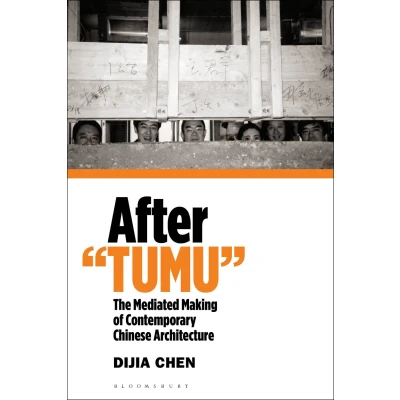
Examines the cross-cultural exchange that forged contemporary Chinese architecture through the lens of a pivotal 2001 Berlin exhibition. In 2001, Berlin-based exhibition “TUMU: Young Architecture of China” staged then-relatively unknown experimental Chinese architects to an international audience. Over the following two decades, many of these architects, including Wang Shu, Liu Jiakun, Yung Ho Chang, and Ma Qingyun, became widely recognized as defining figures of contemporary Chinese architecture. How did this transformation take place, and who determined what counted as “contemporary Chinese architecture” in the first place? After “TUMU” traces the exhibition’s unexpected legacy, situating it within the dramatic changes that transformed China’s architectural culture at the turn of the 21st century. Drawing on extensive archival research, visual materials, and interviews with architects, curators, critics, and other participants, the book follows the networks connecting exhibitions, real-estate development, architectural education, media, and international cultural institutions. Moving beyond architect-centred histories, the book examines how architectural identities are constructed through the cross-border encounters made possible by exhibitions, networks and publications. In doing so, it reveals how the idea of “Chinese” architecture was negotiated between local ambitions and international expectations, and how practices once considered marginal gradually became part of the architectural mainstream. An original contribution to architectural history and exhibition studies, After "TUMU" offers a new account of contemporary Chinese architecture and a broader reflection on how architectural histories, cultural identities and global canons are made.
 Productspecificaties
| EAN |
|
|---|---|
| Maat |
|
 Prijshistorie
Prijzen voor het laatst bijgewerkt op:
 Gerelateerde resultaten


