


€ 99,99 Gratis verzending

Uitgelicht
|
|
99,99 |
Naar shop
|

|
104,95 |
Naar shop
|

|
104,95 |
Naar shop
|
| VERGELIJK ALLE AANBIEDERS (3) | ||
 Beschrijving
Vergelijk aanbieders (3)
€ 99,99 Gratis verzending
€ 104,95 Gratis verzending
€ 104,95 Gratis verzending
Winkels met andere maten
Beschrijving
(1)
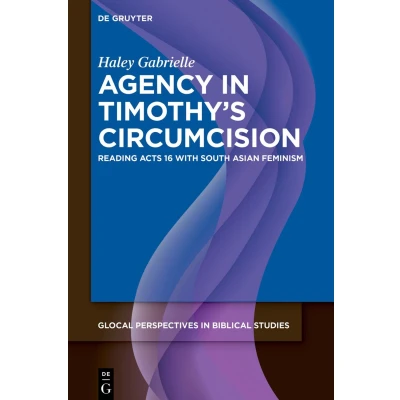
This study takes an interdisciplinary approach to the question of why Timothy is circumcised in Acts 16. Haley Gabrielle addresses the anti-Jewish, Orientalist legacies that have previously prevented full consideration of Timothy’s agency in this passage, and she critiques the stereotype that Jewish circumcision is inherently painful, irrational, and unable to be chosen. Informed by more complex models of agency found in South Asian feminist thought, she argues that in Luke-Acts, circumcision is associated with positive affect, ethical decision-making, and the normalcy of one’s community participating in one’s circumcision. As Timothy’s character is depicted acting within existing power structures in pursuit of self-formation, his action takes on further meaning within the coalitional model of identity offered by the Way. Together with the Jerusalem council decision of Acts 15, the story of Timothy's circumcision demonstrates that the Way authorizes multiple possible ways of embodying sexual self-control. Gabrielle’s methodology explores the possibilities of South Asian hermeneutics, and her analysis furthers the state of current conversations about of circumcision, tradition, and agency in biblical texts.
 Prijshistorie
 * Prijshistorie bevat geen data van Amazon, Amazon Marketplace.
Prijzen voor het laatst bijgewerkt op:
 Gerelateerde resultaten
 Productspecificaties


