


€ 142,00 Gratis verzending

Uitgelicht
|
|
142,00 |
Naar shop
|

|
144,53 |
Naar shop
|
| VERGELIJK ALLE AANBIEDERS (2) | ||
 Beschrijving
Vergelijk aanbieders (2)
€ 142,00 Gratis verzending
€ 144,53 € 3,14 verzendkosten Totaal € 147,67
Winkels met andere maten
Beschrijving
(1)
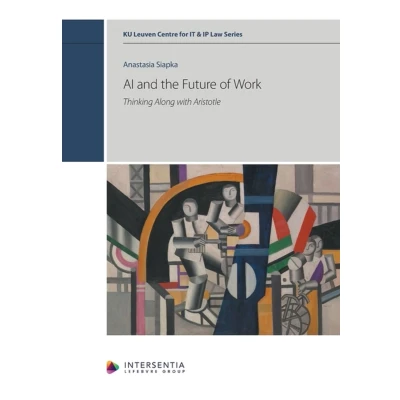
How should we shape AI-driven automation so that it serves individual and collective flourishing? Recent advances in AI, particularly generative AI, have rekindled fears of a workless future at a moment when work remains central to individuals and societies alike. AI and the Future of Work situates the prospect of AI-driven automation within a longer history of technological transformation, asking whether it should be feared or welcomed and, accordingly, how law and policy ought to respond. This book rejects the predictive, utilitarian, and work-centred paradigms that dominate the ‘future of work’ debate as ill-equipped to address what is fundamentally at stake. In their place, the book brings Aristotle’s ethics and politics into dialogue with modern legal and political theory – namely virtue jurisprudence and the capability approach – to build a normative paradigm centred on human flourishing (eudaimonia). This paradigm is applied to evaluate the desirability of AI-driven automation, culminating in an empowering vision for the future of work alongside actionable recommendations for researchers, law- and policy-makers, technologists, educators, and citizens. A must-read for anyone interested in the ethical, legal, and political dimensions of AI-driven automation or the value of work and leisure more broadly.
 Prijshistorie
* Prijshistorie bevat geen data van Amazon.
Prijzen voor het laatst bijgewerkt op:
 Gerelateerde resultaten
 Productspecificaties


