


€ 105,00 Gratis verzending

Gesponsorde links
|
|
105,00 |
Naar shop
|

|
108,64 |
Naar shop
|

|
108,64 |
Naar shop
|
| VERGELIJK ALLE AANBIEDERS (3) | ||
 Beschrijving
Vergelijk aanbieders (3)
Gesponsorde links · Sommige shops betalen ons een vergoeding
€ 105,00 Gratis verzending
€ 108,64 Gratis verzending
€ 108,64 Gratis verzending
Winkels met andere maten
Beschrijving
(1)
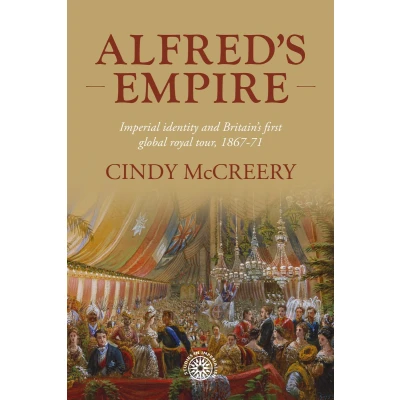
A historical study of Prince Alfred’s global royal tour, 1867–71, analysing how royal travel, naval power, and local encounters shaped imperial identity and established a template for later British royal tours. In 1867 Queen Victoria sent her second son on Britain’s first global royal tour. For the next four and a half years Prince Alfred, Duke of Edinburgh (1844–1900), a career officer in the Royal Navy, sailed the wooden steam frigate HMS Galatea to the furthest reaches of the British Empire – and beyond. Whereas Victoria limited her travel to western Europe, Alfred journeyed to five continents, and got close to a sixth (Antarctica), visiting tiny islands like Tristan da Cunha in the southern Atlantic. He became the first and most senior British royal to visit key parts of the empire including South Africa, Australia, Aotearoa New Zealand, India, Sri Lanka (Ceylon) and Hong Kong. Alfred was also the first European prince to meet the Japanese Emperor and among the earliest royals to visit China, the independent Kingdom of Hawai‘i and the French protectorate of Tahiti. Alfred’s empire provides a compelling account of the invention and impact of Britain’s first global royal tour, 1867–71. It draws on original research from archives across the globe to reassess the nineteenth-century British royal family’s relationship with each other and with empire. The book demonstrates the impact of the HMS Galatea voyages from 1867 to 1871 on imperial and national identity within major territories both within and beyond the British empire. In turn, it explains why these voyages mattered to people at the time, as well as how they were subsequently remembered – and forgotten. This book examines the invention and significance of Britain’s first global royal tour through the voyages of Prince Alfred, Duke of Edinburgh, between 1867 and 1871. It offers a global panorama of the late nineteenth century as experienced by a senior royal and naval officer, tracing how Alfred’s journeys aboard HMS Galatea sought to promote the prestige of the British monarchy, navy, and empire while remaining shaped by local political and social agendas. The study shows how these pioneering tours established a model for later imperial royal travel and assesses how Alfred’s voyages were variously remembered and forgotten in Britain, Europe, and across the wider world. In doing so, it revises understandings of royal mobility, imperial identity, and global monarchy.
 Prijshistorie
* Prijshistorie bevat geen data van Amazon, Amazon Marketplace.
Prijzen voor het laatst bijgewerkt op:
 Gerelateerde resultaten
 Productspecificaties


