
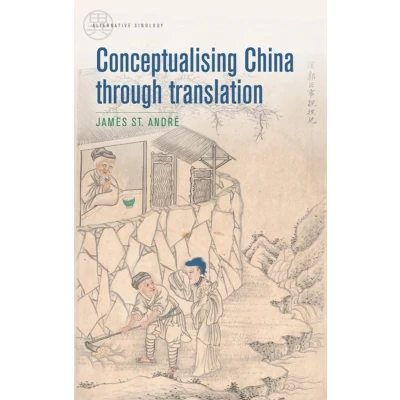
Alternative Sinology Conceptualising China Through Translation
Uitgelicht

|
119,00 |
Naar shop
|
| VERGELIJK ALLE AANBIEDERS (1) | ||
 Beschrijving
Bol
This book provides an innovative methodology for investigating how China has been conceptualised historically, tracing the development of four key concepts (filial piety, face, fengshui, and guanxi) in English and Chinese. It explores how specific ideas about the uniqueness of Chinese culture influence the ways we think about China. Since the sixteenth century, there has been a recurrent tendency to use key concepts, often translated or adapted from Chinese, to understand Chinese culture. These have varied over time, but include face, filial piety, fengshui and guanxi. The process of transcultural understanding in relation to these concepts has been complex, with many of them making multiple trips back and forth between English and Chinese, and being used by the Chinese to explain their own culture, or to criticise ingrained prejudices that some in China saw as holding the country back from modernity. This book addresses how specific ideas describing the uniqueness of Chinese culture influence the ways users of these concepts think about China and themselves. It looks at how historical moments have been epitomised by, and could be connected through, various processes of translation, establishing the close link between history-making and translation exchange. Conceptualising China through translation encourages an understanding of translation as a multi-faceted practice or way of knowing the world that, at its best, helps deepen understandings of self and others. Too often in the case of China, translation has been used to establish stereotypes and a sense of exoticism. In uncovering how both sides of the translation process stand to be transformed by it, this book makes evident instead the humanity of all parties. This aim is achieved through an innovative use of digital humanities methods and close reading of key texts, thereby helping to construct an alternative sinology. This monograph provides an innovative methodology for investigating how China has been conceptualised historically by tracing the development of four key cultural terms (filial piety, face, fengshui, and guanxi) between English and Chinese. It addresses how specific ideas about what constitutes the uniqueness of Chinese culture influence the ways users of these concepts think about China and themselves. Adopting a combination of archival research and mining of electronic databases, it documents how the translation process has been bound up in the production of new meaning. In uncovering how both sides of the translation process stand to be transformed by it, the study demonstrates the dialogic nature of translation and its potential contribution to cross-cultural understanding. It also aims to develop a foundation on which other area studies might build broader scholarship about global knowledge production and exchange.


Vergelijk aanbieders (1)

 Beschrijving
(1)
Beschrijving
(1)
This book provides an innovative methodology for investigating how China has been conceptualised historically, tracing the development of four key concepts (filial piety, face, fengshui, and guanxi) in English and Chinese. It explores how specific ideas about the uniqueness of Chinese culture influence the ways we think about China. Since the sixteenth century, there has been a recurrent tendency to use key concepts, often translated or adapted from Chinese, to understand Chinese culture. These have varied over time, but include face, filial piety, fengshui and guanxi. The process of transcultural understanding in relation to these concepts has been complex, with many of them making multiple trips back and forth between English and Chinese, and being used by the Chinese to explain their own culture, or to criticise ingrained prejudices that some in China saw as holding the country back from modernity. This book addresses how specific ideas describing the uniqueness of Chinese culture influence the ways users of these concepts think about China and themselves. It looks at how historical moments have been epitomised by, and could be connected through, various processes of translation, establishing the close link between history-making and translation exchange. Conceptualising China through translation encourages an understanding of translation as a multi-faceted practice or way of knowing the world that, at its best, helps deepen understandings of self and others. Too often in the case of China, translation has been used to establish stereotypes and a sense of exoticism. In uncovering how both sides of the translation process stand to be transformed by it, this book makes evident instead the humanity of all parties. This aim is achieved through an innovative use of digital humanities methods and close reading of key texts, thereby helping to construct an alternative sinology. This monograph provides an innovative methodology for investigating how China has been conceptualised historically by tracing the development of four key cultural terms (filial piety, face, fengshui, and guanxi) between English and Chinese. It addresses how specific ideas about what constitutes the uniqueness of Chinese culture influence the ways users of these concepts think about China and themselves. Adopting a combination of archival research and mining of electronic databases, it documents how the translation process has been bound up in the production of new meaning. In uncovering how both sides of the translation process stand to be transformed by it, the study demonstrates the dialogic nature of translation and its potential contribution to cross-cultural understanding. It also aims to develop a foundation on which other area studies might build broader scholarship about global knowledge production and exchange.
 Productspecificaties
| EAN |
|
|---|---|
| Maat |
|
 Prijshistorie
Prijzen voor het laatst bijgewerkt op:
 Gerelateerde resultaten


