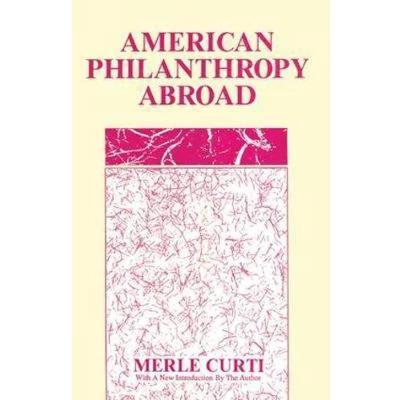

American Philanthropy Abroad

Prijzen vanaf
30,48

Uitgelicht

VERGELIJK ALLE AANBIEDERS (2)

Beschrijving

Bol Partner This book tells for the first time, in rich detail, and without apologetics, what Americans have done, in the voluntary sector and often without official sanction, for human welfare in all parts of the world This book tells for the first time, in rich detail, and without apologetics, what Americans have done, in the voluntary sector and often without official sanction, for human welfare in all parts of the world. Beneath the currently fashionable rhetoric of anti-colonialism is the story of people who have aided victims of natural disasters such as famines and earthquakes, and what they contributed to such agencies of cultural and social life as libraries, schools, and colleges. The work of an assortment of individuals, from missionaries to foundation executives, has advanced public health, international education, and technical assistance to the Third World. These people have also assisted in relief and relocation of refugees, displaced persons, and those who suffered religious and racial persecution. These activities were especially noteworthy following the two world wars of the twentieth century. The United States established great foundations—Carnegie, Rosenwald, Phelps-Stokes, Rockefeller, Ford, among others—which provided another face of capitalist accumulation to those in backward economic regions and those suffering political persecution. These were meshed with religious relief agencies of all denominations that also contributed to make possible what Arnold Toynbee called “a century in which civilized man made the benefits of progress available to all mankind.” This is a massive work requiring more than five years of research, drawing upon a wide array of hitherto unavailable materials and source documents.

Vergelijk aanbieders (2)

Shop
Prijs
Verzendkosten
Totale prijs
30,48
gebruikt
Gratis
30,48
Naar shop
Gratis Shipping Costs
57,99
Gratis
57,99
Naar shop
Gratis Shipping Costs
Beschrijving (2)
Bol Partner

This book tells for the first time, in rich detail, and without apologetics, what Americans have done, in the voluntary sector and often without official sanction, for human welfare in all parts of the world This book tells for the first time, in rich detail, and without apologetics, what Americans have done, in the voluntary sector and often without official sanction, for human welfare in all parts of the world. Beneath the currently fashionable rhetoric of anti-colonialism is the story of people who have aided victims of natural disasters such as famines and earthquakes, and what they contributed to such agencies of cultural and social life as libraries, schools, and colleges. The work of an assortment of individuals, from missionaries to foundation executives, has advanced public health, international education, and technical assistance to the Third World. These people have also assisted in relief and relocation of refugees, displaced persons, and those who suffered religious and racial persecution. These activities were especially noteworthy following the two world wars of the twentieth century. The United States established great foundations—Carnegie, Rosenwald, Phelps-Stokes, Rockefeller, Ford, among others—which provided another face of capitalist accumulation to those in backward economic regions and those suffering political persecution. These were meshed with religious relief agencies of all denominations that also contributed to make possible what Arnold Toynbee called “a century in which civilized man made the benefits of progress available to all mankind.” This is a massive work requiring more than five years of research, drawing upon a wide array of hitherto unavailable materials and source documents.

Bol

This book tells for the first time, in rich detail, and without apologetics, what Americans have done, in the voluntary sector and often without official sanction, for human welfare in all parts of the world. Beneath the currently fashionable rhetoric of anti-colonialism is the story of people who have aided victims of natural disasters such as famines and earthquakes, and what they contributed to such agencies of cultural and social life as libraries, schools, and colleges. The work of an assortment of individuals, from missionaries to foundation executives, has advanced public health, international education, and technical assistance to the Third World. These people have also assisted in relief and relocation of refugees, displaced persons, and those who suffered religious and racial persecution. These activities were especially noteworthy following the two world wars of the twentieth century. The United States established great foundations—Carnegie, Rosenwald, Phelps-Stokes, Rockefeller, Ford, among others—which provided another face of capitalist accumulation to those in backward economic regions and those suffering political persecution. These were meshed with religious relief agencies of all denominations that also contributed to make possible what Arnold Toynbee called “a century in which civilized man made the benefits of progress available to all mankind.” This is a massive work requiring more than five years of research, drawing upon a wide array of hitherto unavailable materials and source documents.


Productspecificaties

EAN
  • 9780887387111
  • 9781351532471
Maat

Prijzen voor het laatst bijgewerkt op:

Uitgelichte Keuze
30,48
Naar shop
