








American Union and the Problem of Neighborhood
Uitgelicht

|
44,99 |
Naar shop
|
 Beschrijving
Bol
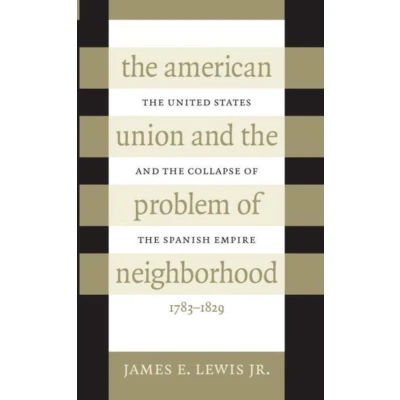
In this text, the author demonstrates the centrality of American ideas about, and concern for, the union of the states in the policymaking of the early republic. For four decades after the nation's founding, he argues that this blurred the line between foreign policies and domestic concerns. In this book, James Lewis demonstrates the centrality of American ideas about and concern for the union of the states in the policymaking of the early republic. For four decades after the nation's founding in the 1780s, he says, this focus on securing a union operated to blur the line between foreign policies and domestic concerns. Such leading policymakers as Thomas Jefferson, James Madison, James Monroe, John Quincy Adams, and Henry Clay worried about the challenges to the goals of the Revolution that would arise from a hostile neighborhood--whether composed of new nations outside the union or the existing states following a division of the union. At the center of Lewis's story is the American response to the dissolution of Spain's empire in the New World, from the transfer of Louisiana to France in 1800 to the independence of Spain's mainland colonies in the 1820s. The breakup of the Spanish empire, he argues, presented a series of crises for the unionist logic of American policymakers, leading them, finally, to abandon a crucial element of the distinctly American approach to international relations embodied in their own federal union. Uses the American response to the dissolution of Spain's empire in the New World (1783-1829) to demonstrate that American concern for the union of the states was a major factor in the policymaking of the early republic.


Vergelijk aanbieders (1)

 Beschrijving
(1)
Beschrijving
(1)
In this text, the author demonstrates the centrality of American ideas about, and concern for, the union of the states in the policymaking of the early republic. For four decades after the nation's founding, he argues that this blurred the line between foreign policies and domestic concerns. In this book, James Lewis demonstrates the centrality of American ideas about and concern for the union of the states in the policymaking of the early republic. For four decades after the nation's founding in the 1780s, he says, this focus on securing a union operated to blur the line between foreign policies and domestic concerns. Such leading policymakers as Thomas Jefferson, James Madison, James Monroe, John Quincy Adams, and Henry Clay worried about the challenges to the goals of the Revolution that would arise from a hostile neighborhood--whether composed of new nations outside the union or the existing states following a division of the union. At the center of Lewis's story is the American response to the dissolution of Spain's empire in the New World, from the transfer of Louisiana to France in 1800 to the independence of Spain's mainland colonies in the 1820s. The breakup of the Spanish empire, he argues, presented a series of crises for the unionist logic of American policymakers, leading them, finally, to abandon a crucial element of the distinctly American approach to international relations embodied in their own federal union. Uses the American response to the dissolution of Spain's empire in the New World (1783-1829) to demonstrate that American concern for the union of the states was a major factor in the policymaking of the early republic.
 Productspecificaties
| EAN |
|
|---|---|
| Maat |
|
 Prijshistorie
Prijzen voor het laatst bijgewerkt op:
 Gerelateerde resultaten


