


€ 48,99 Gratis verzending

Uitgelicht
|
|
48,99 |
Naar shop
|

|
119,99 |
Naar shop
|
| VERGELIJK ALLE AANBIEDERS (2) | ||
 Beschrijving
Vergelijk aanbieders (2)
€ 48,99 Gratis verzending
€ 119,99 Gratis verzending
Winkels met andere maten
Beschrijving
(1)
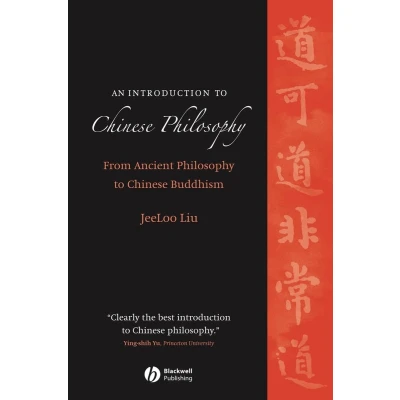
An Introduction to Chinese Philosophy unlocks the mystery of ancient Chinese philosophy and unravels the complexity of Chinese Buddhism by placing them in the contemporary context of discourse. * Elucidates the central issues and debates in Chinese philosophy, its different schools of thought, and its major philosophers. An Introduction to Chinese Philosophy is the most comprehensive book of its kind. Highly accessible, the text takes an analytical approach to successfully demystify the themes of ancient Chinese philosophy and unravel the complexities of early Chinese Buddhism. Beginning with the philosophy of Yijing, Part I covers seven additional major philosophers from the ancient period: Confucius, Mencius, Xunzi, Mozi, Laozi, Zhuangzi, and Hanfeizi. Part II introduces the reader to the four major schools in Chinese Buddhism: the Consciousness-Only, the Hua-yan, the Tian-tai, and the Chan. Mutual themes connect chapters, highlighting the continuity of thought, while an unbiased analysis helps to define their differences. Contemporary commentaries and debates on the central issues in Chinese philosophy round out the book, presenting an incisive introduction to the field. An Introduction to Chinese Philosophy unlocks the mystery of ancient Chinese philosophy and unravels the complexity of Chinese Buddhism by placing them in the contemporary context of discourse. Elucidates the central issues and debates in Chinese philosophy, its different schools of thought, and its major philosophers. Covers eight major philosophers in the ancient period, among them Confucius, Laozi, and Zhuangzi. Illuminates the links between different schools of philosophy. Opens the door to further study of the relationship between Chinese and Western philosophy.
 Productspecificaties
| EAN |
|
|---|---|
| Maat |
|
 Prijshistorie
Prijzen voor het laatst bijgewerkt op:
 Gerelateerde resultaten


