


€ 99,99 Gratis verzending

Uitgelicht
|
|
99,99 |
Naar shop
|
| VERGELIJK ALLE AANBIEDERS (1) | ||
 Beschrijving
Vergelijk aanbieders (1)
€ 99,99 Gratis verzending
Winkels met andere maten
Beschrijving
(1)
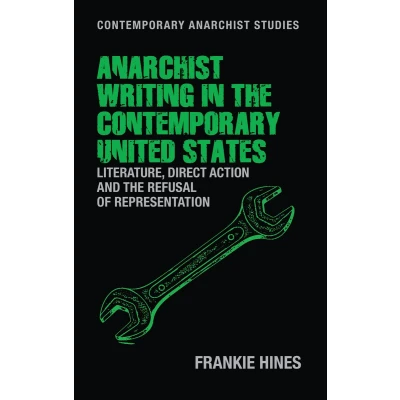
This book frames U.S. anarchism since the 1970s as a vitally important site of subversive literary production. It develops an innovative critical mode aligned with anarchist commitments, in which anarchist writers’ refusal of representation, and their preference for direct action, come to the fore. Anarchist movements in the contemporary United States may, at first glance, seem unlikely to be fertile spaces for literary creativity. Yet U.S. anarchists have persistently written about their philosophy, their activism, and their everyday lives, producing interventions that demand to be read as specifically literary works. In this book, Frankie Hines explores the ways that anarchist literature reflects – and at times challenges – anti-authoritarian activists’ key beliefs and practices.Offering readings of a range of texts never before considered by literary scholars, this study frames U.S. anarchism since the 1970s as a vital site of subversive literary production. It does this through an innovative critical mode aligned with anarchist commitments, in which anarchist writers’ refusal of representation, and their preference for direct action, come to the fore. How can anarchist texts, Hines asks, be read as works that aim to produce direct social and political effects? Anarcha-feminist ‘consent zines,’ black blocs’ communiqués, and nomadic anarchists’ travel narratives are all examined through this new critical approach, and are put into dialogue with well-known anarchist novels such as Edward Abbey’s The Monkey Wrench Gang and Ursula K. Le Guin’s The Dispossessed. Through these original readings, the book offers fresh insights into the complex roles that literature can play in radical political movements today. Anarchist movements in the contemporary United States may, at first glance, seem unlikely to be fertile spaces for literary creativity. Yet U.S. anarchists have persistently written about their philosophy, their activism, and their everyday lives, producing interventions that demand to be read as specifically literary works. Offering readings of a range of texts never previously considered by literary scholars, the book frames U.S. anarchism since the 1970s as a vitally important site of subversive literary production. It does this through an innovative critical mode aligned with anarchist commitments, in which anarchist writers’ refusal of representation, and their preference for direct action, come to the fore. Offering a series of highly original readings, this study provides fresh insights into the complex roles that literature may play in radical political movements today.
 Productspecificaties
| EAN |
|
|---|---|
| Maat |
|
 Prijshistorie
 Prijzen voor het laatst bijgewerkt op:
 Gerelateerde resultaten


