


€ 215,00 Gratis verzending

Gesponsorde links
|
|
215,00 |
Naar shop
|

|
226,21 |
Naar shop
|

|
226,21 |
Naar shop
|
| VERGELIJK ALLE AANBIEDERS (3) | ||
 Beschrijving
Vergelijk aanbieders (3)
Gesponsorde links · Sommige shops betalen ons een vergoeding
€ 215,00 Gratis verzending
€ 226,21 Gratis verzending
€ 226,21 Gratis verzending
Winkels met andere maten
Beschrijving
(1)
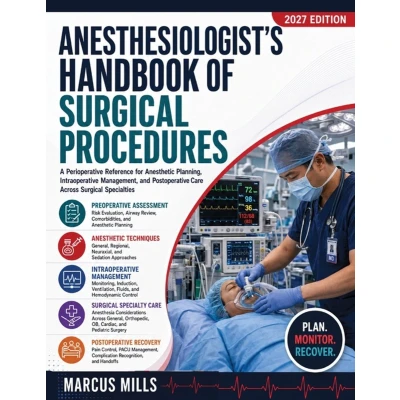
Effective anesthetic planning depends on understanding what the surgical team will actually do - how the patient will be positioned, how long the procedure is likely to take, where significant blood loss may occur, and what the postoperative course will require. This handbook organizes that information by procedure, bringing the most relevant anesthetic and surgical considerations together in one place. Structured for use under time pressure. Each entry follows a consistent format, covering the surgical procedure and its common variants, typical patient characteristics, preoperative assessment priorities, intraoperative anesthetic technique and monitoring, positioning and access considerations, expected duration and blood loss, and postoperative management. Organized by surgical specialty. Coverage includes neurosurgery, ophthalmic surgery, otolaryngology, thoracic, cardiac, vascular, general abdominal, hepatobiliary, urologic, gynecologic, obstetric, orthopedic, plastic and reconstructive, transplant, and pediatric surgery. Separate sections address non-operating-room anesthesia and ambulatory practice. Written for the clinician at the head of the table. This handbook is intended for anesthesiology residents and fellows, practicing anesthesiologists encountering unfamiliar procedures, certified registered nurse anesthetists, anesthesiologist assistants, and perioperative nursing staff who need to understand the anesthetic plan in the context of the surgical one. This book is intended as a reference for qualified clinicians and students. It does not replace institutional protocols, current drug labeling, applicable guidelines, or the clinical judgment of the treating practitioner. This book is an independent publication and is not affiliated with or endorsed by any medical board, certification body, or institution.
 Prijshistorie
* Prijshistorie bevat geen data van Amazon, Amazon Marketplace.
Prijzen voor het laatst bijgewerkt op:
 Gerelateerde resultaten
 Productspecificaties


