


€ 49,99 Gratis verzending

Uitgelicht
|
|
49,99 |
Naar shop
|
| VERGELIJK ALLE AANBIEDERS (1) | ||
 Beschrijving
Vergelijk aanbieders (1)
€ 49,99 Gratis verzending
Winkels met andere maten
Beschrijving
(1)
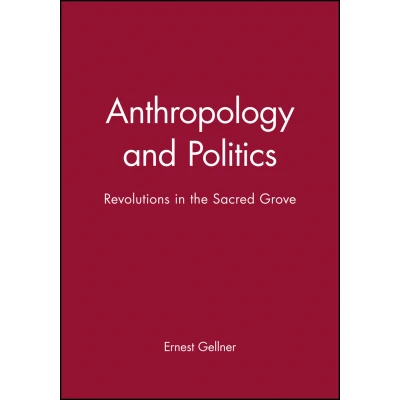
This sequel to "Encounters with Nationalism" explores the links in the past and in the present between anthropology and politics. It argues for rational, critical, and functionalist perspectives on the forms of social organization and the various political aspirations associated with them. Ernest Gellner explores here the links between anthropology and politics, and shows just how central these are. The recent postmodernist turn in anthropology has been linked to the expiation of colonial guilt. Traditional, functionalist anthropology is characteristically regarded as an accessory to the crime, and anyone critical of the relativistic claims of interpretative anthropology (as Ernest Gellner is) is likely to be charged (as he sometimes is) with being an ex post imperialist. Ernest Gellner argues that cultures are crucially important in human life as constraining systems of meaning. Cultural transition means that the required characteristics are transmitted from generation to generation, leading, he shows, to both greater diversity and to far more rapid change than is possible among species where transmission is primarily by genetic means. But the relative importance of semantic and physical compulsion needs to be explored rather than pre-judged. The weakness of idealism, which at present operates under the name of hermeneutics, is that it underplays the importance of coercion, and that it presents cultures as self-justifying and morally sovereign: this line of argument, the author demonstrates, is fundamentally flawed. Ernest Gellner explores here the links between anthropology and politics, and shows just how central these are. The recent postmodernist turn in anthropology has been linked to the expiation of colonial guilt. Traditional, functionalist anthropology is characteristically regarded as an accessory to the crime, and anyone critical of the relativistic claims of interpretative anthropology (as Ernest Gellner is) is likely to be charged (as he sometimes is) with being an ex post imperialist. Ernest Gellner argues that cultures are crucially important in human life as constraining systems of meaning. Cultural transition means that the required characteristics are transmitted from generation to generation, leading, he shows, to both greater diversity and to far more rapid change than is possible among species where transmission is primarily by genetic means. But the relative importance of semantic and physical compulsion needs to be explored rather than pre-judged. The weakness of idealism, which at present operates under the name of hermeneutics, is that it underplays the importance of coercion, and that it presents cultures as self-justifying and morally sovereign: this line of argument, the author demonstrates, is fundamentally flawed.
 Productspecificaties
| EAN |
|
|---|---|
| Maat |
|
 Prijshistorie
 Prijzen voor het laatst bijgewerkt op:
 Gerelateerde resultaten


