
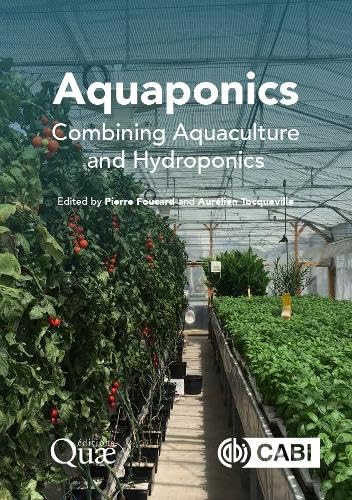
Aquaponics: Combining Aquaculture and Hydroponics
Prijzen vanaf
109,00

Uitgelicht


Beschrijving

Bol Covers the theory, concepts and approaches of aquaponics - a technology that integrates aquaculture and hydroponics - and its potential as a sustainable food production system. Aquaponics is a system of agriculture that combines aquaculture and hydroponics to cultivate both plants and fish. Fish waste is broken down by bacteria into dissolved nutrients that plants then utilize to grow. It is a sustainable crop production system, that requires no soil, uses water very efficiently and can be built almost anywhere, including highly populated urban communities. As the world's population continues to grow, and resources such as land, water and nutrients are limited, aquaponics is one possible alternative method to traditional agriculture, for providing food. This book, a translation of Aquaponie, published by Éditions Quae, describes the development of aquaculture in the world and covers: - Essential concepts, approaches and uses - Fish, plants and bacteria: three components of aquaculture - Design and monitoring of an aquaculture system - Regulatory, societal and economic challenges Aimed at researchers in aquaculture, horticulture and sustainable agriculture, this book is also suitable for practitioners and commercial developers in aquaponics. Aquaponics is a system of agriculture that combines aquaculture and hydroponics to cultivate both plants and fish. Fish waste is broken down by bacteria into dissolved nutrients that plants then utilize to grow. It is a sustainable crop production system, that requires no soil, uses water very efficiently and can be built almost anywhere, including highly populated urban communities. As the world's population continues to grow, and resources such as land, water and nutrients are limited, aquaponics is one possible alternative method to traditional agriculture, for providing food. This book, a translation of Aquaponie, published by Éditions Quae, describes the development of aquaculture in the world and covers: Essential concepts, approaches and uses Fish, plants and bacteria: three components of aquaculture Design and monitoring of an aquaculture system Regulatory, societal and economic challenges Aimed at researchers in aquaculture, horticulture and sustainable agriculture, this book is also suitable for practitioners and commercial developers in aquaponics.

Vergelijk aanbieders (1)

Shop
Prijs
Verzendkosten
Totale prijs
109,00
Gratis
109,00
Naar shop
Gratis Shipping Costs
Beschrijving (1)

Covers the theory, concepts and approaches of aquaponics - a technology that integrates aquaculture and hydroponics - and its potential as a sustainable food production system. Aquaponics is a system of agriculture that combines aquaculture and hydroponics to cultivate both plants and fish. Fish waste is broken down by bacteria into dissolved nutrients that plants then utilize to grow. It is a sustainable crop production system, that requires no soil, uses water very efficiently and can be built almost anywhere, including highly populated urban communities. As the world's population continues to grow, and resources such as land, water and nutrients are limited, aquaponics is one possible alternative method to traditional agriculture, for providing food. This book, a translation of Aquaponie, published by Éditions Quae, describes the development of aquaculture in the world and covers: - Essential concepts, approaches and uses - Fish, plants and bacteria: three components of aquaculture - Design and monitoring of an aquaculture system - Regulatory, societal and economic challenges Aimed at researchers in aquaculture, horticulture and sustainable agriculture, this book is also suitable for practitioners and commercial developers in aquaponics. Aquaponics is a system of agriculture that combines aquaculture and hydroponics to cultivate both plants and fish. Fish waste is broken down by bacteria into dissolved nutrients that plants then utilize to grow. It is a sustainable crop production system, that requires no soil, uses water very efficiently and can be built almost anywhere, including highly populated urban communities. As the world's population continues to grow, and resources such as land, water and nutrients are limited, aquaponics is one possible alternative method to traditional agriculture, for providing food. This book, a translation of Aquaponie, published by Éditions Quae, describes the development of aquaculture in the world and covers: Essential concepts, approaches and uses Fish, plants and bacteria: three components of aquaculture Design and monitoring of an aquaculture system Regulatory, societal and economic challenges Aimed at researchers in aquaculture, horticulture and sustainable agriculture, this book is also suitable for practitioners and commercial developers in aquaponics.


Productspecificaties

EAN
  • 9781836991427
Maat


Prijshistorie

Prijzen voor het laatst bijgewerkt op:

Uitgelichte Keuze
109,00
Naar shop