
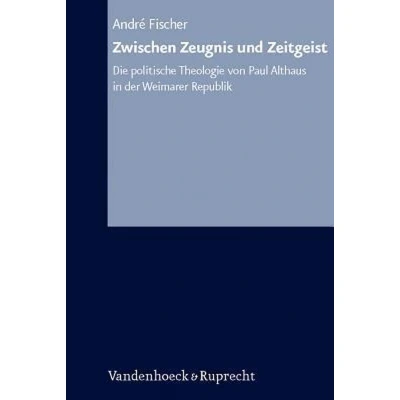
Arbeiten zur Kirchlichen Zeitgeschichte
Uitgelicht

|
46,99 |
Naar shop
|

|
145,31 |
Naar shop
|
| VERGELIJK ALLE AANBIEDERS (2) | ||
 Beschrijving
Bol Partner
Against the backdrop of Cold War polarization and student turmoil, the 1960s and 1970s implied for german protestantism rough times of struggle between societal change and persistence. Coping with the nazi past and their obedient theological tradition, protestant churches in divided Germany discussed moral and political issues on wether to justify violent social change in the northern hemisphere, but first and foremost in the Third World. Initiated by the ecumenical World Conference on Church and Society in 1966 the past-time-driven german debates on a "Theology of Revolution", violent student protest and the World Council of Churches' "Programme to combat Racism"turned out even more peculiar and dramatic when leftist-terrorism hit the Federal Republic of Germany, ending up in a public controversy on protestant sympathy for terror and murder.


 Beschrijving
(2)
Beschrijving
(2)
Against the backdrop of Cold War polarization and student turmoil, the 1960s and 1970s implied for german protestantism rough times of struggle between societal change and persistence. Coping with the nazi past and their obedient theological tradition, protestant churches in divided Germany discussed moral and political issues on wether to justify violent social change in the northern hemisphere, but first and foremost in the Third World. Initiated by the ecumenical World Conference on Church and Society in 1966 the past-time-driven german debates on a "Theology of Revolution", violent student protest and the World Council of Churches' "Programme to combat Racism"turned out even more peculiar and dramatic when leftist-terrorism hit the Federal Republic of Germany, ending up in a public controversy on protestant sympathy for terror and murder.
BolIn den Jahren 1961 bis 1989 geriet die Evangelische Kirche in Deutschland (EKD) in ein doppeltes Spannungsverhältnis: Einerseits kam ihr die Rolle als letzte gesamtdeutsche Klammer zu. Andererseits entwickelten sich die deutschen Staaten durch die Einbindung in antagonistische Machtblöcke zÃ"gig auseinander und waren gänzlich verschiedenen Rahmenbedingungen ausgesetzt, die sich auch auf die Kirchen auswirkten. Es kam zur organisatorischen Teilung der EKD, wobei an der Vorstellung einer geistlichen "besonderen Gemeinschaft" festgehalten wurde. Anke Silomon untersucht die getrennte Entwicklung des Kirchenbundes in der DDR und der EKD in der Bundesrepublik, die partnerschaftlichen Beziehungen und gemeinsamen Aktivitäten und fragt nach Anspruch und Wirklichkeit dieser "besonderen Gemeinschaft".
 Productspecificaties
| EAN |
|
|---|---|
| Maat |
|
 Prijshistorie
Prijzen voor het laatst bijgewerkt op:
 Gerelateerde resultaten


