


€ 174,00 Gratis verzending

Uitgelicht
|
|
174,00 |
Naar shop
|

|
257,12 |
Naar shop
|
| VERGELIJK ALLE AANBIEDERS (2) | ||
 Beschrijving
Vergelijk aanbieders (2)
€ 174,00 Gratis verzending
€ 257,12 € 12,50 verzendkosten Totaal € 269,62
Winkels met andere maten
Beschrijving
(1)
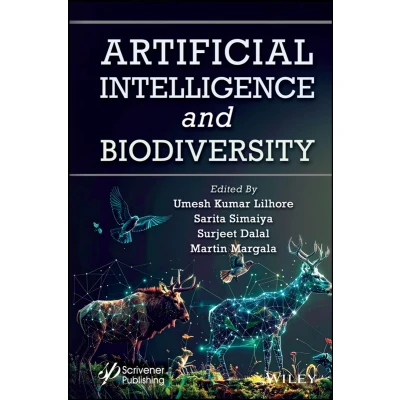
Harness the power of the digital frontier to save our planet with this essential guide, which demonstrates how deep learning, genetic engineering, and AI-based robotics can be integrated to track biodiversity, restore genetic diversity, and rebuild fragile ecosystems with unprecedented precision. From satellite imagery to genetic sequencing, AI is helping researchers track biodiversity, predict ecosystem changes, and monitor endangered species with unprecedented precision. This book delves into the exciting ways that artificial intelligence (AI), particularly deep learning, is being used to analyze complex ecological data. It offers an in-depth look at how these AI-driven technologies are transforming how we approach biodiversity conservation on a global scale, examining the role of genetic engineering, guided by AI, in restoring genetic diversity and helping species adapt to rapidly changing environments. Additionally, the book highlights how AI is revolutionizing ecosystem restoration, using AI-based robotics and reinforcement learning to restore habitats such as forests, wetlands, and coral reefs. It looks at real-world applications where AI systems are actively being used to rebuild damaged ecosystems, suggesting new ways to restore balance to nature. Through a combination of practical case studies and theoretical insights, this guide serves as an essential resource for anyone interested in the future of conservation, whether you are an AI specialist, an environmental scientist, or simply someone passionate about protecting the planet. By blending the latest in AI research with real-world biodiversity challenges, this book paints a picture of a future where technology and nature work hand in hand to safeguard life on Earth. Harness the power of the digital frontier to save our planet with this essential guide, which demonstrates how deep learning, genetic engineering, and AI-based robotics can be integrated to track biodiversity, restore genetic diversity, and rebuild fragile ecosystems with unprecedented precision. From satellite imagery to genetic sequencing, AI is helping researchers track biodiversity, predict ecosystem changes, and monitor endangered species with unprecedented precision. This book delves into the exciting ways that artificial intelligence (AI), particularly deep learning, is being used to analyze complex ecological data. It offers an in-depth look at how these AI-driven technologies are transforming how we approach biodiversity conservation on a global scale, examining the role of genetic engineering, guided by AI, in restoring genetic diversity and helping species adapt to rapidly changing environments. Additionally, the book highlights how AI is revolutionizing ecosystem restoration, using AI-based robotics and reinforcement learning to restore habitats such as forests, wetlands, and coral reefs. It looks at real-world applications where AI systems are actively being used to rebuild damaged ecosystems, suggesting new ways to restore balance to nature. Through a combination of practical case studies and theoretical insights, this guide serves as an essential resource for anyone interested in the future of conservation, whether you are an AI specialist, an environmental scientist, or simply someone passionate about protecting the planet. By blending the latest in AI research with real-world biodiversity challenges, this book paints a picture of a future where technology and nature work hand in hand to safeguard life on Earth.
 Prijshistorie
 * Prijshistorie bevat geen data van Amazon.
Prijzen voor het laatst bijgewerkt op:
 Gerelateerde resultaten
 Productspecificaties


