


€ 57,99 Gratis verzending

Uitgelicht
|
|
57,99 |
Naar shop
|
| VERGELIJK ALLE AANBIEDERS (1) | ||
 Beschrijving
Vergelijk aanbieders (1)
€ 57,99 Gratis verzending
Winkels met andere maten
Beschrijving
(1)
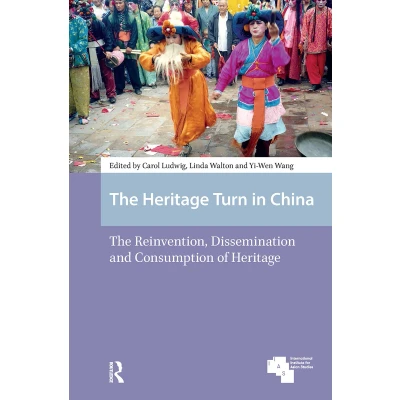
This book examines China's heritage practices since the 1990s heritage turn through diverse case studies using multiple disciplinary approaches The Heritage Turn in China: The Reinvention, Dissemination and Consumption of Heritage focuses on heritage discourse and practice in China today as it has evolved from the 'heritage turn' that can be dated to the 1990s. Using a variety of disciplinary approaches to regionally and topically diverse case studies, the contributors to this edited volume show how particular versions of the past are selected, (re)invented, disseminated and consumed for contemporary purposes. These studies explore how the Chinese state utilises heritage not only for tourism, entertainment, educational and commercial purposes, but also as part of broader political strategies on both the national and international stage. Together, they argue that the Chinese state deploys modes of heritage governance to construct new modernities while strengthening collective national identity in support of both its political legitimacy and its claim to status as an international superpower. The authors also consider ways in which state management of heritage is contested by some stakeholders whose embrace of heritage has a different purpose and meaning.
 Productspecificaties
| EAN |
|
|---|---|
| Maat |
|
 Prijshistorie
 Prijzen voor het laatst bijgewerkt op:
 Gerelateerde resultaten


