

gebruikt € 31,02 Gratis verzending

Uitgelicht
|
|
31,02 |
Naar shop
|

|
61,99 |
Naar shop
|
| VERGELIJK ALLE AANBIEDERS (2) | ||
 Beschrijving
Vergelijk aanbieders (2)
gebruikt € 31,02 Gratis verzending
€ 61,99 Gratis verzending
Winkels met andere maten
Beschrijving
(2)
Discusses assisted suicide and euthanasia from a secular natural law perspective. This book explains issues that shape the moral quality of an action: intention/foresight; action/omission; action/consequences; killing/letting die; innocence/non-innocence; and, person/non-person. As medical technology advances and severely injured or ill people can be kept alive and functioning long beyond what was previously medically possible, the debate surrounding the ethics of end-of-life care and quality-of-life issues has grown more urgent. In this lucid and vigorous book, Craig Paterson discusses assisted suicide and euthanasia from a fully fledged but non-dogmatic secular natural law perspective. He rehabilitates and revitalises the natural law approach to moral reasoning by developing a pluralistic account of just why we are required by practical rationality to respect and not violate key demands generated by the primary goods of persons, especially human life. Important issues that shape the moral quality of an action are explained and analysed: intention/foresight; action/omission; action/consequences; killing/letting die; innocence/non-innocence; person/non-person. Paterson defends the central normative proposition that ’it is always a serious moral wrong to intentionally kill an innocent human person, whether self or another, notwithstanding any further appeal to consequences or motive’.
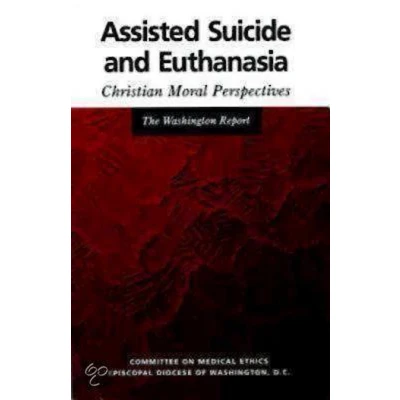
Bol PartnerMedical technology has created a new dilemma: the power to prolong life brings with it the possibility of prolonging death. Christian groups and secular society are now asking whether new knowledge or circumstances give reason for changing the prohibition against suicide and euthanasia.
 Productspecificaties
| EAN |
|
|---|---|
| Maat |
|
 Prijshistorie
 Prijzen voor het laatst bijgewerkt op:
 Gerelateerde resultaten


