


€ 129,00 Gratis verzending

Uitgelicht
|
|
129,00 |
Naar shop
|

|
140,45 |
Naar shop
|

|
140,45 |
Naar shop
|
| VERGELIJK ALLE AANBIEDERS (3) | ||
 Beschrijving
Vergelijk aanbieders (3)
€ 129,00 Gratis verzending
€ 140,45 Gratis verzending
€ 140,45 Gratis verzending
Winkels met andere maten
Beschrijving
(1)
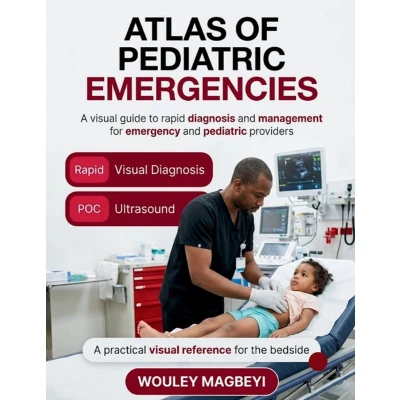
When a sick child arrives, the diagnosis is often on the surface. You have to know what you are looking at.A rash that means meningococcemia. A subtle limb position that signals a fracture. The retinal findings that separate accidental injury from abuse. In pediatric emergency medicine, the eye reaches the answer before any test returns, and the difference between recognition and hesitation can be measured in minutes.The Atlas of Pediatric Emergency Medicine is built around that visual reality. It pairs clinical images with focused, practical guidance so you can match what is in front of you to what you need to do next.How the atlas is organized: - A visual-first method. Chapter 1 sets out how to read a pediatric presentation with your eyes before your workup, and every chapter that follows is built on the same principle.- Resuscitation and stabilization early. The sequences that matter most in the first minutes come before the system-based chapters, where you can find them fast.- The child protection chapters that many references skip. Dedicated coverage of nonaccidental trauma and child maltreatment, the conditions that mimic abuse, and sexual abuse, gynecology, and sexually transmitted infections.- Full system-based coverage. Neonatal, infectious, cardiac, respiratory, dermatologic, ophthalmologic, otolaryngologic, surgical and genitourinary, hematologic and oncologic, rheumatologic, neurologic, endocrine, gastrointestinal, nephrologic, neurologic, toxicologic, environmental, and orthopaedic emergencies.- The presentations that define the specialty. Major trauma, mental health and behavioral emergencies, and a full chapter on point-of-care ultrasound.- Reference matter for the bedside. Appendices, a glossary, and a Can't-Miss Diagnoses visual quick reference for the findings you cannot afford to overlook.Who will use it: - Emergency medicine physicians, residents, and fellows- Pediatric emergency medicine subspecialty trainees- Pediatricians and pediatric residents- Nurse practitioners and physician assistants in emergency and urgent care- Emergency and pediatric nurses- Medical students on emergency and pediatric rotationsEach chapter works on its own, so you can turn straight to the presentation in front of you. The images do the teaching that text alone cannot, and the guidance stays focused on assessment and management rather than lengthy discussion.Children are not small adults, and their emergencies do not read from the adult script. This atlas keeps the visual signatures of pediatric illness and injury in one place, organized the way an emergency actually unfolds.
 Prijshistorie
 * Prijshistorie bevat geen data van Amazon, Amazon Marketplace.
Prijzen voor het laatst bijgewerkt op:
 Gerelateerde resultaten
 Productspecificaties


