


€ 42,99 Gratis verzending

Uitgelicht
|
|
42,99 |
Naar shop
|

|
48,14 |
Naar shop
|

|
48,14 |
Naar shop
|
| VERGELIJK ALLE AANBIEDERS (3) | ||
 Beschrijving
Vergelijk aanbieders (3)
€ 42,99 Gratis verzending
€ 48,14 Gratis verzending
€ 48,14 Gratis verzending
Winkels met andere maten
Beschrijving
(1)
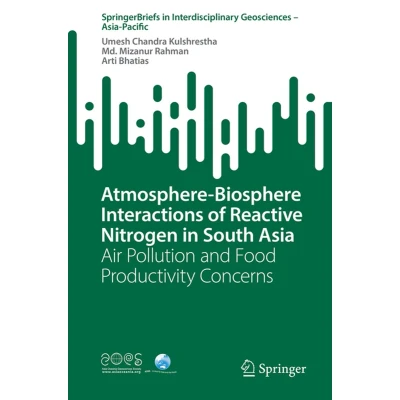
Recent reports indicate that atmospheric levels of reactive nitrogen species (RNS) are rising globally, primarily due to increased fossil fuel combustion for energy production and agricultural activities. Recent reports indicate that atmospheric levels of reactive nitrogen species (RNS) are rising globally, primarily due to increased fossil fuel combustion for energy production and agricultural activities. Fossil fuel usage is altering air composition by adding compounds like NH₃ and NOₓ, along with related species such as HNO₃, HONO, NO₃, N₂O₅, NO₃⁻, peroxyacetyl nitrate (PAN), NH₄⁺, and others. These RNS are negatively impacting terrestrial and aquatic ecosystems, with several of them being major contributors to climate change. Elevated concentrations of RNS in air and water are also harmful to human health. Additionally, managing nitrogen waste poses a significant economic challenge, with its global impact estimated to range between US$340 billion and US$3.4 trillion annually when considering effects on human health and ecosystems. Food waste exacerbates these issues by disrupting the nitrogen cycle.
 Prijshistorie
 * Prijshistorie bevat geen data van Amazon, Amazon Marketplace.
Prijzen voor het laatst bijgewerkt op:
 Gerelateerde resultaten
 Productspecificaties


