

€ 13,90 Gratis verzending

Uitgelicht
|
|
13,90 |
Naar shop
|

|
13,90 |
Naar shop
|
| VERGELIJK ALLE AANBIEDERS (2) | ||
 Beschrijving
Vergelijk aanbieders (2)
€ 13,90 Gratis verzending
€ 13,90 € 2,99 verzendkosten Totaal € 16,89
Winkels met andere maten
Beschrijving
(1)
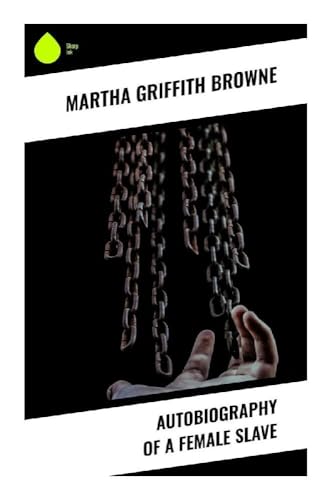
Autobiography of a Female Slave is an antebellum antislavery novel cast in the form of a first-person slave narrative, tracing the ordeals of an enslaved woman through bondage, family rupture, coercion, and the constant threat of sexual exploitation. Its prose blends sentimental fiction, reformist rhetoric, and the testimonial conventions popularized by nineteenth-century abolitionist literature, placing it in dialogue with works by Harriet Beecher Stowe and the authentic narratives of formerly enslaved people. Martha Griffith Browne, often known as Mattie Griffith, was a Kentucky-born writer whose proximity to a slaveholding society sharpened her moral and political opposition to the institution. Her background gave her access to the language, customs, and evasions of the Southern slave system, while her abolitionist commitments led her to transform that knowledge into literary protest. The book reflects both conviction and the limitations of a white reformer speaking through an imagined enslaved female voice. Readers interested in abolitionist literature, women's writing, and the political uses of sentimental fiction will find this work especially valuable. It is not merely a historical curiosity, but a revealing document of how fiction sought to awaken conscience before the Civil War.
 Prijshistorie
 * Prijshistorie bevat geen data van Amazon.
Prijzen voor het laatst bijgewerkt op:
 Gerelateerde resultaten
 Productspecificaties


