

€ 119,00 € 3,14 verzendkosten Totaal € 122,14

Uitgelicht
|
|
119,00 |
Naar shop
|

|
158,75 |
Naar shop
|
| VERGELIJK ALLE AANBIEDERS (2) | ||
 Beschrijving
Vergelijk aanbieders (2)
€ 119,00 € 3,14 verzendkosten Totaal € 122,14
€ 158,75 Gratis verzending
Winkels met andere maten
Beschrijving
(1)
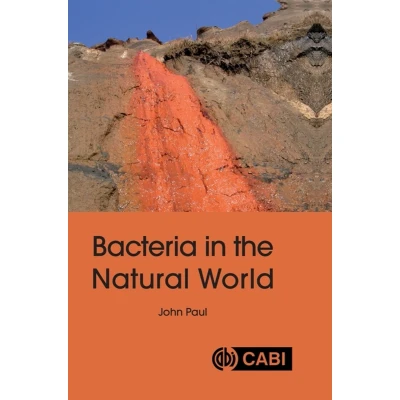
This is the first comprehensive book on bacteria, viewing them as part of natural history. This readable account is for anyone who is interested in the hidden corners of the natural world and is also suitable for students of bacteriology and specialist microbiologists. This book is about bacteria and their place in natural history. It provides a readable and comprehensive account, suitable for anyone curious about the hidden corners of the natural world. It is also suitable for specialist microbiologists and students who wish to explore the wider reaches of bacteriology. The introduction explains what bacteria are and what they do and describes how to spot signs of their presence in nature. There are chapters on bacteria in earth history and their traces in the fossil record, on the roles of bacteria in chemical cycles in natural habitats, on bacteria in extreme environments, on the relationships between bacteria and animals, plants, fungi and other microbes and on diversity and classification. The book investigates references to bacteria in art and popular culture and describes their practical applications. A chapter on bacteria tourism is a personal account of the author's travels to see bacteria and also serves as a gazetteer of sites of interest. This is a very exciting time for those who study bacteria. Novel insights gained from advances in genomics and sequencing technologies make it feel as though these microscopic organisms are at long last being made properly 'visible' to us. Bacteria and their sister group, the archaea, constitute two of the three domains of life. No other book combines quite as many different strands of their story cohesively within a single volume. This book is about bacteria and their place in natural history. It provides a readable and comprehensive account, suitable for anyone curious about the hidden corners of the natural world. It is also suitable for specialist microbiologists and students who wish to explore the wider reaches of bacteriology. The introduction explains what bacteria are and what they do and describes how to spot signs of their presence in nature. There are chapters on bacteria in earth history and their traces in the fossil record, on the roles of bacteria in chemical cycles in natural habitats, on bacteria in extreme environments, on the relationships between bacteria and animals, plants, fungi and other microbes and on diversity and classification. The book investigates references to bacteria in art and popular culture and describes their practical applications. A chapter on bacteria tourism is a personal account of the author's travels to see bacteria and also serves as a gazetteer of sites of interest. This is a very exciting time for those who study bacteria. Novel insights gained from advances in genomics and sequencing technologies make it feel as though these microscopic organisms are at long last being made properly 'visible' to us. Bacteria and their sister group, the archaea, constitute two of the three domains of life. No other book combines quite as many different strands of their story cohesively within a single volume.
 Prijshistorie
 * Prijshistorie bevat geen data van Amazon.
Prijzen voor het laatst bijgewerkt op:
 Gerelateerde resultaten
 Productspecificaties


