


€ 145,00 Gratis verzending

Gesponsorde links
|
|
145,00 |
Naar shop
|

|
149,79 |
Naar shop
|

|
149,79 |
Naar shop
|
| VERGELIJK ALLE AANBIEDERS (3) | ||
 Beschrijving
Vergelijk aanbieders (3)
Gesponsorde links · Sommige shops betalen ons een vergoeding
€ 145,00 Gratis verzending
€ 149,79 Gratis verzending
€ 149,79 Gratis verzending
Winkels met andere maten
Beschrijving
(1)
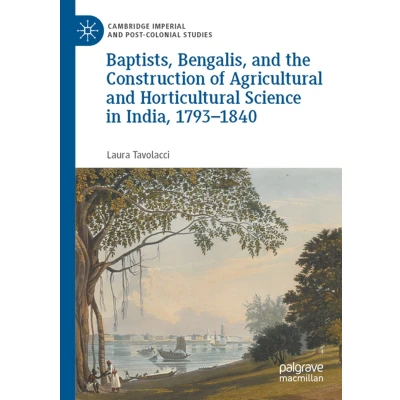
The Agricultural and Horticultural Society of India was founded in 1820 by an English Baptist missionary, William Carey. The Agricultural and Horticultural Society of India was founded in 1820 by an English Baptist missionary, William Carey. He was part of a network of missionaries centred at Srirampur (Serampore), the Danish settlement close to Calcutta. This book explores the ways that missionaries included plants in their projects of proselytization to better understand the origins of this scientific society. It includes an investigation of the farms and gardens at each mission station, the missionaries’ work with indigo plantations, and different scientific projects leading up to the creation of the agricultural society. Amidst all of this, plants became an important target and sign of moral improvement, marking a sort of ‘moral frontier’ which reiterated racial hierarchies. Nevertheless, various entanglements with Bengali converts, gardeners (malis), and the elite bhadralok class also impacted the missionary vision. In the initial years of the scientific organisation, missionaries and their interlocutors upheld a romantic and hierarchical vision of agrarian society that mixed gardening with large-scale agriculture – but, an economic depression in 1833, followed shortly by William Carey’s death in 1834, ended this composite vision. The Society began to focus instead on the production of more remunerative agricultural cash crops, like sugar and cotton, over horticultural crops like vegetables and fruit trees.
 Prijshistorie
* Prijshistorie bevat geen data van Amazon, Amazon Marketplace.
Prijzen voor het laatst bijgewerkt op:
 Gerelateerde resultaten
 Productspecificaties


