


€ 100,90 Gratis verzending

Gesponsorde links
|
|
100,90 |
Naar shop
|

|
158,83 |
Naar shop
|
| VERGELIJK ALLE AANBIEDERS (2) | ||
 Beschrijving
Vergelijk aanbieders (2)
Gesponsorde links · Sommige shops betalen ons een vergoeding
€ 100,90 Gratis verzending
€ 158,83 € 6,80 verzendkosten Totaal € 165,63
Winkels met andere maten
Beschrijving
(1)
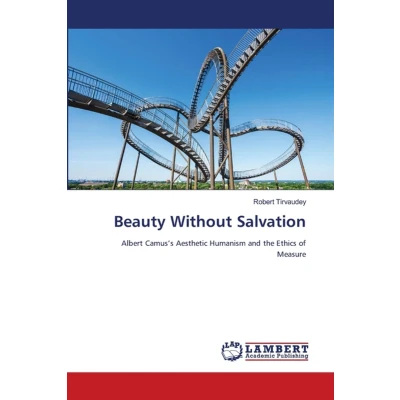
This essay examines Albert Camus's aesthetic humanism by exploring how beauty remains possible in a world marked by absurdity, suffering, and the absence of absolute meaning. Rather than proposing an aesthetics of escape or consolation, Camus develops a vision of beauty rooted in experience, limitation, and fidelity to the world. From the Mediterranean landscapes of Nuptials and Summer to the existential tensions of The Stranger and The Myth of Sisyphus, beauty appears as a form of attention that precedes abstract thought and preserves the richness of the visible. The essay argues that Camus transforms the absurd from a source of despair into a condition of creation. Art becomes a model of ethical resistance because it creates without dominating, transforms without destroying, and gives form to an unfinished reality. Through The Rebel, The Plague, Exile and the Kingdom, and his reflections on artistic creation, Camus reveals the inseparable relationship between beauty, revolt, solidarity, and measure. The study ultimately demonstrates that Camus's aesthetic humanism is founded on a poetics of limits.
 Prijshistorie
* Prijshistorie bevat geen data van Amazon.
Prijzen voor het laatst bijgewerkt op:
 Gerelateerde resultaten
 Productspecificaties


