


€ 34,74 Gratis verzending

Uitgelicht
|
|
34,74 |
Naar shop
|
| VERGELIJK ALLE AANBIEDERS (1) | ||
 Beschrijving
Vergelijk aanbieders (1)
€ 34,74 Gratis verzending
Winkels met andere maten
Beschrijving
(1)
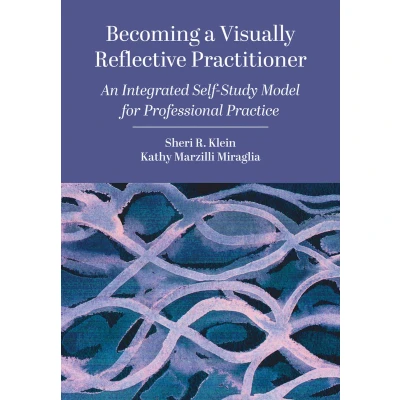
Considers how self-study using arts-based methods can enable purposeful reflection toward understanding and envisioning professional practice. Presents a self-study model highlighting arts-based methods for examining areas of professional practice: professional identities, work cultures, change and transitions and new pathways. 26 b/w drawings. Professional practice is increasingly becoming more complex, demanding, dynamic, and diverse, and the fluctuating nature of professional practice necessitates the pursuit of discernment and clarity through ongoing reflective practice. Ideal for visual arts practitioners of all levels, this book presents a self-study model grounded in compelling research that highlights arts-based methods for examining four areas of professional practice: professional identities, work cultures, change and transitions, and new pathways. Each chapter focuses on a component of the self-study model and an area of professional practice. Additional chapters are devoted to artistic materials and research methods for interpreting self-study artefacts with the aim of goal setting. Throughout the text, charts and end-of-chapter prompts summarize key points, and images by visual arts practitioners represent a wide range of artistic media, methods, and approaches appropriate for self-study. The appendices provide additional resources for enhanced understanding of chapter concepts and key terms, guidelines and rubrics for writing reflections, creating visual responses, and using a visual journal in the self-study process. Professional practice is increasingly becoming more complex, demanding, dynamic and diverse. This important and original new book considers how self-study using arts-based methods can enable purposeful reflection toward understanding and envisioning professional practice. Ideally for visual arts practitioners on all levels, this book presents a self-study model grounded in compelling research that highlights arts-based methods for examining four areas of professional practice: professional identities, work cultures, change and transitions and envisioning new pathways. Chapters address the components of the self-study model, artistic methods and materials, and strategies for interpreting self-study written and visual outcomes with the aim of goal setting. Each chapter includes visuals, references and end-of-chapter prompts to engage readers in critical and visual reflection. Appendices offer resources and guidelines for creating and assessing self-study outcomes. The fluctuating nature of professional practice necessitates the pursuit of discernment and clarity that can be achieved through an ongoing reflective practice. Self-study is a systematic and flexible methodology for purposeful reflection on professional practice that embraces dialogic, interpretive, rhizomatic and visual inquiry. Self-study can occur at any level of practice and in the context of work-related professional development, formal study or as a self-initiated inquiry. An arts-based self-study model for visual arts practitioners is explored and focuses on four intersectional components shaping professional practice: professional identities, work cultures and communities, transition and change within professional practice and envisioning new pathways for professional practice. The self-study model is grounded in contemporary theory, practice and compelling research, and embraces robust strategies for understanding the complexities of professional practice that can include dual, multiple, overlapping, hybrid and conflicting professional identities, tensions within work cultures and unexpected changes within professional practice. Each chapter focuses on a component of the self-study model and an area of professional practice, concluding with references and end-of-chapter prompts that are aimed to facilitate critical reflection-on-practice and the creation of written and visual responses. With visual arts practitioners in mind, various arts-based methods for self-study are discussed that highlight visual journaling as a key method for engaging in self-study. Interpretive research methods are discussed to guide readers in understanding the phases and processes for interpreting written and visual self-study outcomes. Processes are outlined to help readers determine key insights, themes, issues and questions from their self-study outcomes, how to use them in formulating new questions and articulating new professional goals. Several levels for interpretation are presented to offer readers options relative to their professional needs and aims. Throughout the text, charts and visuals serve to summarize and visualize key chapter points. Images by visual arts practitioners appear throughout the text and represent a wide range of artistic media, methods and approaches appropriate for self-study. The appendices provide additional resources for enhanced understanding of chapter concepts and key terms, guidelines and rubrics for writing reflections, creating visual responses and using a visual journal in the self-study process. Primary readership will be visual arts practitioners at all levels. Ideal for university level graduate courses or as a guide for individuals and small groups of practitioners who seek to engage in arts-based self-study as professional development.
 Productspecificaties
| EAN |
|
|---|---|
| Maat |
|
 Prijshistorie
 Prijzen voor het laatst bijgewerkt op:
 Gerelateerde resultaten


