


€ 99,99 Gratis verzending

Uitgelicht
|
|
99,99 |
Naar shop
|

|
106,12 |
Naar shop
|

|
106,12 |
Naar shop
|
| VERGELIJK ALLE AANBIEDERS (3) | ||
 Beschrijving
Vergelijk aanbieders (3)
€ 99,99 Gratis verzending
€ 106,12 Gratis verzending
€ 106,12 Gratis verzending
Winkels met andere maten
Beschrijving
(1)
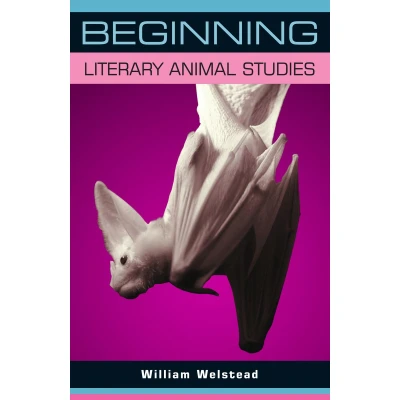
The book is an introductory text for students of literary animal studies and for those with a general interest in animals in creative prose, fiction and poetry. Case study examples show how the basic themes of animal studies can be used to reveal meanings in the texts, and to add value to an understanding of human-animal relations. ‘This is a rich, engaging volume which addresses key topics in animal studies and invites readers to consider the challenges facing the field.’—Danielle Sands, Royal Holloway, The University of London'Beginning literary animal studies is a wide-ranging and erudite book that does an excellent job of introducing some very complex ideas in readable and unpretentious prose. It’s nicely pitched; the ‘stop and think’ sections provide useful prompts for teaching.’—John Miller, University of SheffieldThis book is based on the premise that nonhuman animals can have agency and sentience. It explores how that premise creates opportunities for studying animals in literary works. Refuting the human exceptionalism that is implicit in the liberal humanism which has dominated literary studies is a precondition for a posthuman reading of literary works. The book draws on philosophy, science and social science to review how ideas about animals have changed since classical times. The theories that support literary animal studies are illustrated for a range of literary genres. Separate chapters cover the intersection of literary animal studies with ecofeminism, postcolonialism and extinction studies. The book acknowledges the complexity of multispecies worlds and the interdisciplinary genealogy of literary animal studies. Complexity can be exciting but is not amenable to study by a single integrated discipline called literary animal studies. The book shows how to find meaning in texts where animals are present, from a variety of theoretical viewpoints. Selected case study readings of creative literature provide practical examples. Beginning literary animal studies is an introduction to the rapidly developing field of human-animal studies in the humanities with particular emphasis on literature. The book introduces the foundations of this subject in science, theory and ethics, and its development in the close study of the relationship that humans have with other animal species. Human-animal studies are advancing across a very broad front, the book unpicks the various strands in this approach and demonstrates how they may be applied in practical examples of literary criticism of creative non-fiction, fiction and poetry. Growing interest in the part played by animals in our culture and of our culture’s impact on animals, has inspired contemporary writers. It has also led critics in the humanities to new interpretations of both contemporary and canonical works. This book introduces the whole field of literary animal studies in a way that enables students to choose how they will approach this important field of study.
 Prijshistorie
 * Prijshistorie bevat geen data van Amazon, Amazon Marketplace.
Prijzen voor het laatst bijgewerkt op:
 Gerelateerde resultaten
 Productspecificaties


