
Bess of Hardwick
Uitgelicht

|
109,95 |
Naar shop
|
| VERGELIJK ALLE AANBIEDERS (1) | ||
 Beschrijving
Bol
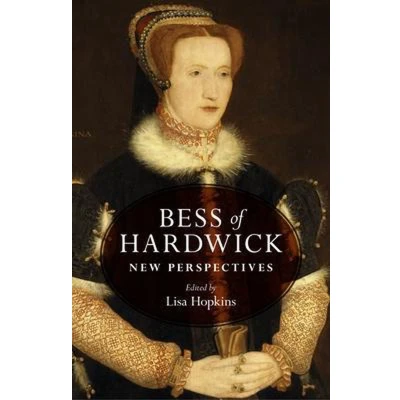
Born the daughter of a country squire, Bess of Hardwick made four marriages which brought her wealth and status. She built and furnished houses and founded a dynasty which included a granddaughter, Arbella Stuart, who had a claim to the thrones of both England and Scotland. This edited collection of new essays focuses on Bess of Hardwick, one of the most extraordinary figures of Elizabethan England. She was born the daughter of a country squire, but by the end of her long life (which a recent redating of her birth suggests was even longer than previously thought) she was the richest woman in England outside the royal family, had risen to the rank of countess and seen two of her daughters do the same, and had built one of the major ‘prodigy houses’ of the period, Hardwick Hall. While married to her fourth husband, the Earl of Shrewsbury, she had been jailer to Mary, Queen of Scots, and her granddaughter by her second marriage, Lady Arbella Stuart, was of royal blood and might have succeeded to the throne of England. This wide-ranging collection brings out the full range of her activities and impact. Several of the essays are informed by the recent edition of her correspondence, which reveals her as both a confident user of language and also astonishingly well-connected: her eldest son travelled to Constantinople and she received regular news briefings from Europe as well as from within England. Other essays focus on her ambitious building programmes at Chatsworth and Hardwick and how she used both architecture and interior decoration to fashion her identity and display her wealth and the rise of her dynasty. Bess of Hardwick: New perspectives will be of interest to anyone interested in Elizabethan England, women’s language use, the history of needlework, or aristocratic culture. Bess of Hardwick was one of the most extraordinary figures of Elizabethan England. She was born the daughter of a country squire. But by the end of her long life (which a recent redating of her birth suggests was even longer than previously thought) she was the richest woman in England outside the royal family, had risen to the rank of countess and seen two of her daughters do the same and had built one of the major ‘prodigy houses’ of the period. While married to her fourth husband, the Earl of Shrewsbury, she had been jailer to Mary, Queen of Scots, and her granddaughter by her second marriage, Lady Arbella Stuart, was of royal blood and might have succeeded to the throne of England. This wide-ranging collection brings out the full range of her activities and impact.


Vergelijk aanbieders (1)

 Beschrijving
(1)
Beschrijving
(1)
Born the daughter of a country squire, Bess of Hardwick made four marriages which brought her wealth and status. She built and furnished houses and founded a dynasty which included a granddaughter, Arbella Stuart, who had a claim to the thrones of both England and Scotland. This edited collection of new essays focuses on Bess of Hardwick, one of the most extraordinary figures of Elizabethan England. She was born the daughter of a country squire, but by the end of her long life (which a recent redating of her birth suggests was even longer than previously thought) she was the richest woman in England outside the royal family, had risen to the rank of countess and seen two of her daughters do the same, and had built one of the major ‘prodigy houses’ of the period, Hardwick Hall. While married to her fourth husband, the Earl of Shrewsbury, she had been jailer to Mary, Queen of Scots, and her granddaughter by her second marriage, Lady Arbella Stuart, was of royal blood and might have succeeded to the throne of England. This wide-ranging collection brings out the full range of her activities and impact. Several of the essays are informed by the recent edition of her correspondence, which reveals her as both a confident user of language and also astonishingly well-connected: her eldest son travelled to Constantinople and she received regular news briefings from Europe as well as from within England. Other essays focus on her ambitious building programmes at Chatsworth and Hardwick and how she used both architecture and interior decoration to fashion her identity and display her wealth and the rise of her dynasty. Bess of Hardwick: New perspectives will be of interest to anyone interested in Elizabethan England, women’s language use, the history of needlework, or aristocratic culture. Bess of Hardwick was one of the most extraordinary figures of Elizabethan England. She was born the daughter of a country squire. But by the end of her long life (which a recent redating of her birth suggests was even longer than previously thought) she was the richest woman in England outside the royal family, had risen to the rank of countess and seen two of her daughters do the same and had built one of the major ‘prodigy houses’ of the period. While married to her fourth husband, the Earl of Shrewsbury, she had been jailer to Mary, Queen of Scots, and her granddaughter by her second marriage, Lady Arbella Stuart, was of royal blood and might have succeeded to the throne of England. This wide-ranging collection brings out the full range of her activities and impact.
 Productspecificaties
| EAN |
|
|---|---|
| Maat |
|
 Prijshistorie
Prijzen voor het laatst bijgewerkt op:
 Gerelateerde resultaten


