

€ 13,79 Gratis verzending

Gesponsorde links
|
|
13,79 |
Naar shop
|

|
13,79 |
Naar shop
|

|
15,00 |
Naar shop
|
| VERGELIJK ALLE AANBIEDERS (3) | ||
 Beschrijving
Vergelijk aanbieders (3)
Gesponsorde links · Sommige shops betalen ons een vergoeding
€ 13,79 Gratis verzending
€ 13,79 Gratis verzending
€ 15,00 € 2,99 verzendkosten Totaal € 17,99
Winkels met andere maten
Beschrijving
(1)
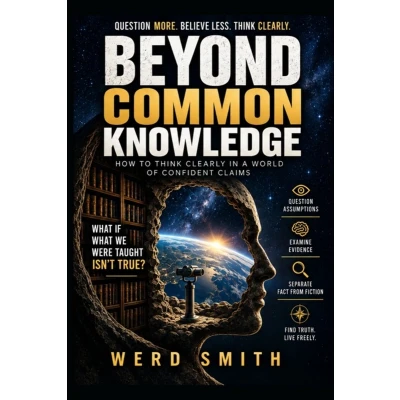
What if some of the things you "know" aren't actually true?We live in a world overflowing with confident claims. Some come from experts. Others come from teachers, family, social media, headlines, statistics, or things we've simply heard so many times that they feel like facts.But confidence is not evidence.Beyond Common Knowledge investigates 24 familiar claims-from the idea that we use only 10 percent of our brains and that goldfish have three-second memories to misconceptions about history, psychology, probability, statistics, and scientific evidence.The goal isn't simply to replace false facts with correct ones. It's to uncover why reasonable people believe questionable claims in the first place-and how to think more clearly when the next convincing claim comes along.Through surprising investigations and practical thinking tools, you'll learn how to: - trace a claim back to its source - separate observation from interpretation - recognize misleading statistics and comparisons - distinguish correlation from causation - evaluate experts, studies, and scientific disagreement - recognize when a simple explanation hides a complicated reality - become more comfortable saying, "I don't know yet"This is not a book about becoming cynical or distrusting everything.It's about becoming harder to fool-including by yourself.You don't need to know everything.You need to know how to investigate what you think you know.
 Prijshistorie
* Prijshistorie bevat geen data van Amazon, Amazon Marketplace.
Prijzen voor het laatst bijgewerkt op:
 Gerelateerde resultaten
 Productspecificaties


