


€ 22,21 € 2,99 verzendkosten Totaal € 25,20

Gesponsorde links
|
|
22,21 |
Naar shop
|

|
23,02 |
Naar shop
|

|
23,02 |
Naar shop
|
| VERGELIJK ALLE AANBIEDERS (3) | ||
 Beschrijving
Vergelijk aanbieders (3)
Gesponsorde links · Sommige shops betalen ons een vergoeding
€ 22,21 € 2,99 verzendkosten Totaal € 25,20
€ 23,02 Gratis verzending
€ 23,02 Gratis verzending
Winkels met andere maten
Beschrijving
(1)
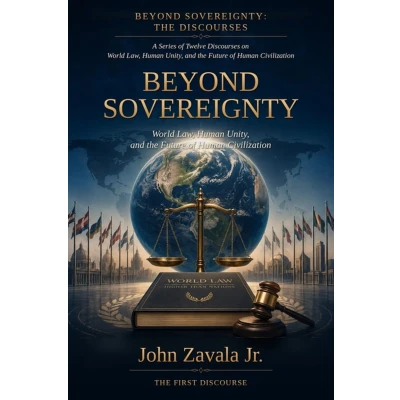
Governments are necessary. But they are not sacred. Why has the nation-state become the highest object of political loyalty-and what happens when its power reaches beyond the borders its laws can govern? In the First Discourse of Beyond Sovereignty: The Discourses, John Zavala Jr. examines the elevation of national sovereignty into final moral authority. Moving through history, political thought, and theology, he explores the relationship between separate nationhood and war, the danger of political idolatry, and the growing mismatch between national self-rule and planetary consequences. The argument is not against country, culture, memory, or local belonging. Nor is it a proposal for world empire. It is a case for limited federation, enforceable world law, protected local freedom, and a wider understanding of human responsibility. The Fatherhood of God and the brotherhood of man supply the spiritual horizon of that reconstruction. For readers concerned with nationalism, peace, political authority, and civilization's future, this discourse asks how governments can remain useful without becoming absolute. What can remain local should remain local. What threatens all humanity must move upward into law. The nation may remain a home. It may not become a god.
 Prijshistorie
* Prijshistorie bevat geen data van Amazon, Amazon Marketplace.
Prijzen voor het laatst bijgewerkt op:
 Gerelateerde resultaten
 Productspecificaties


