


€ 25,80 Gratis verzending

Uitgelicht
|
|
25,80 |
Naar shop
|

|
27,89 |
Naar shop
|

|
27,89 |
Naar shop
|
| VERGELIJK ALLE AANBIEDERS (3) | ||
 Beschrijving
Vergelijk aanbieders (3)
€ 25,80 Gratis verzending
€ 27,89 Gratis verzending
€ 27,89 Gratis verzending
Winkels met andere maten
Beschrijving
(1)
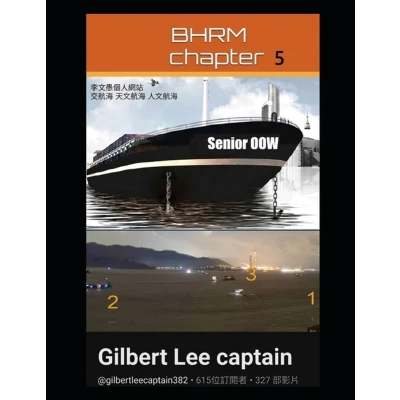
A Chief Officer at sea is preparing for the role of Master, developing advanced maneuvering skills and assuming greater responsibilities. As a key figure on board, the Chief Officer is expected to oversee major safety aspects related to the ship's cargo and structure. In terms of navigational safety, the Chief Officer serves as the Master's backup whenever the Master is fatigued or otherwise un able to perform their duties. The shipping company and the entire crew rely heavily on the Chief Officer. Unfortunately, more than 50% of marine incidents occur during the Chief Officer's watch for various reasons: - The 4-8 watch (both morning and evening) is particularly challenging for visual lookout, as the twilight sun reflects at a near-horizontal angle, shining directly into the lookout's eyes and making it difficult to spot potential hazards.- The hours just before sunrise are typically the sleepiest period of the day, which can reduce alertness among those on watch.- Heavy traffic often occurs around harbor areas, with vessels eager to dock so that the 0800 day-shift workers can begin their tasks. Additionally, coastal vessels that have completed afternoon cargo operations contribute to the congestion.- The Master has confidence in the Chief Officer's ability to navigate safely and avoid danger. However, as the busiest person on board, the Chief Officer may underestimate their own physical and mental fatigue during the watch, which can impact performance.- Overconfidence in their watchkeeping skills can lead the Chief Officer to overlook potential risks or fail to take neces sary precautions.- Instead of focusing on lookout duties, the able-Bodied Seaman ( ab) on duty may be occupied with tasks like cleaning the bridge, creating gaps in visual surveillance of the surrounding areaFor a Chief Officer, the expectation is to handle complex situations effectively, such as avoiding multi-ship collisions in confined waterways. Traditionally, the Chief Officer (C/O) is responsible for training cadets and Junior Officers (JOs) to keep them aware of danger signs and ensure they execute proper procedures to cope with such situations. This part of Bridge Human Resource Management ( BHRM) provides radar lookout skills, as these concepts-although noted in the early stages of radar plotting in the 1950s-rely on applic able principles based on the True Speed Vector of the ownship and target vessels. These principles are influenced by the precision of Automatic Radar Plotting Aid ( ARPA) and radar cap abilities. While Automatic Identification System ( AIS) signals can provide True Speed Vector data for target vessels, their GPS positions-which form the fundamental basis for calculations-are further jeopardized by spoofing (deliberate biased input) due to geopolitical issues. These are also the challenges we address and aim to resolve in this part of BHRM.
 Prijshistorie
 * Prijshistorie bevat geen data van Amazon, Amazon Marketplace.
Prijzen voor het laatst bijgewerkt op:
 Gerelateerde resultaten
 Productspecificaties


