

€ 34,80 Gratis verzending

Gesponsorde links
|
|
34,80 |
Naar shop
|

|
34,80 |
Naar shop
|

|
35,99 |
Naar shop
|
| VERGELIJK ALLE AANBIEDERS (3) | ||
 Beschrijving
Vergelijk aanbieders (3)
Gesponsorde links · Sommige shops betalen ons een vergoeding
€ 34,80 Gratis verzending
€ 34,80 Gratis verzending
€ 35,99 Gratis verzending
Winkels met andere maten
Beschrijving
(1)
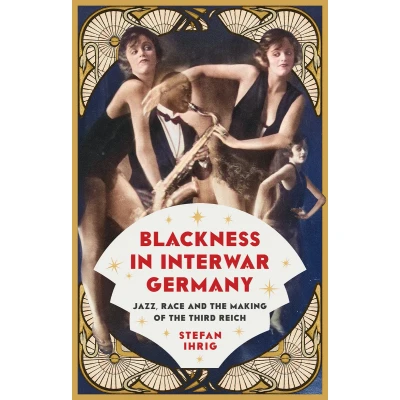
The first comprehensive account of Blackness in Germany, spanning the late Empire, the Roaring Twenties and the aftermath of World War Two. The first comprehensive account of Blackness in Germany, spanning the late Empire, the Roaring Twenties and the aftermath of World War Two. ‘Stefan Ihrig has done it again. This is another scholarly tour de force, showing that we have long been looking at the colonial legacy from the wrong angle in trying to explain the Shoah and the war of extermination in the East.’ — Thomas Weber, author of Becoming Hitler: The Making of a Nazi Germany’s past in relation to Blackness is often dismissed as peripheral: its colonial enterprise lasted merely three decades, and, until the end of World War Two, the Black population in Germany was small. Yet debates about Blackness, especially in the 1920s, were part of wider discussions in which social and political problems were articulated through race—problems the Nazis later claimed to have answers for. Through a deep exploration of Germany’s imperial experiences in Africa, Stefan Ihrig reveals that ideas about Blackness played a significant role in German history, even when there were few Black people in Germany or, as under Hitler, Africa largely fell outside the regime’s predatory gaze. He examines the Weimar period, when Blackness served as a symbol—and to some extent the embodiment—of the Jazz Age. And he analyses how anxieties about racial mixing, the New Woman and the perceived corrupting influence of a Black and American modernity fuelled the cultural backlash in the years up to Hitler’s appointment as Chancellor. As Ihrig uncovers, anti-Blackness was a central theme in Nazi discourse. This illuminating investigation is both a prehistory of the Third Reich and a history of an important, often overlooked dimension of modern Germany. Debates about ‘Blackness’, especially in the 1920s, were part of wider discussions in which social and political problems were articulated through race. Blackness served as a symbol of the decadence of the Roaring ‘20s. Serves as a prehistory of the Third Reich Author’s previous Justifying Genocide won the 2017 Dr. Sona Aronian Book Prize for Excellence in Armenian Studies
 Prijshistorie
* Prijshistorie bevat geen data van Amazon, Amazon Marketplace.
Prijzen voor het laatst bijgewerkt op:
 Gerelateerde resultaten
 Productspecificaties


