
Blaming The Victim
Uitgelicht

|
24,41 |
Naar shop
|

|
38,00 |
Naar shop
|

|
38,00 |
Naar shop
|
| VERGELIJK ALLE AANBIEDERS (3) | ||
 Beschrijving
Bol Partner
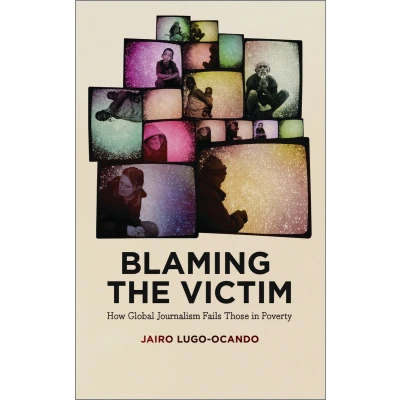
An analysis of how poverty is misrepresented in mainstream media, and a look at what really lies behind these narratives. Poverty, it seems, is a constant in today's news, usually the result of famine, exclusion or conflict. In Blaming the Victim, Jairo Lugo-Ocando sets out to deconstruct and reconsider the variety of ways in which the global news media misrepresent and decontextualise the causes and consequences of poverty worldwide. The result is that the fundamental determinant of poverty - inequality - is removed from their accounts. The books asks many biting questions. When - and how - does poverty become newsworthy? How does ideology come into play when determining the ways in which 'poverty' is constructed in newsrooms - and how do the resulting narratives frame the issue? And why do so many journalists and news editors tend to obscure the structural causes of poverty? In analysing the processes of news production and presentation around the world, Lugo-Ocando reveals that the news-makers' agendas are often as problematic as the geopolitics they seek to represent. This groundbreaking study reframes the ways in which we can think and write about the enduring global injustice of poverty.


 Beschrijving
(1)
Beschrijving
(1)
An analysis of how poverty is misrepresented in mainstream media, and a look at what really lies behind these narratives. Poverty, it seems, is a constant in today's news, usually the result of famine, exclusion or conflict. In Blaming the Victim, Jairo Lugo-Ocando sets out to deconstruct and reconsider the variety of ways in which the global news media misrepresent and decontextualise the causes and consequences of poverty worldwide. The result is that the fundamental determinant of poverty - inequality - is removed from their accounts. The books asks many biting questions. When - and how - does poverty become newsworthy? How does ideology come into play when determining the ways in which 'poverty' is constructed in newsrooms - and how do the resulting narratives frame the issue? And why do so many journalists and news editors tend to obscure the structural causes of poverty? In analysing the processes of news production and presentation around the world, Lugo-Ocando reveals that the news-makers' agendas are often as problematic as the geopolitics they seek to represent. This groundbreaking study reframes the ways in which we can think and write about the enduring global injustice of poverty.
 Productspecificaties
 Prijshistorie
* Prijshistorie bevat geen data van Amazon, Amazon Marketplace.
Prijzen voor het laatst bijgewerkt op:
 Gerelateerde resultaten


