


€ 19,58 € 2,99 verzendkosten Totaal € 22,57

Gesponsorde links
|
|
19,58 |
Naar shop
|

|
20,18 |
Naar shop
|

|
20,18 |
Naar shop
|
| VERGELIJK ALLE AANBIEDERS (3) | ||
 Beschrijving
Vergelijk aanbieders (3)
Gesponsorde links · Sommige shops betalen ons een vergoeding
€ 19,58 € 2,99 verzendkosten Totaal € 22,57
€ 20,18 Gratis verzending
€ 20,18 Gratis verzending
Winkels met andere maten
Beschrijving
(1)
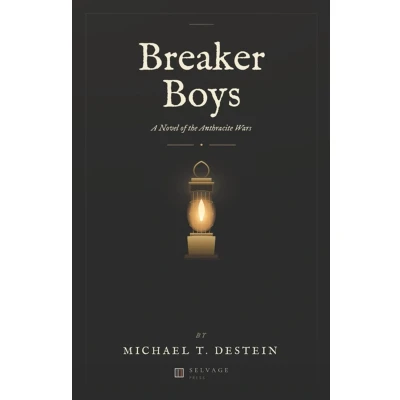
In May of 1902, one hundred and forty thousand men walked away from the anthracite mines of Pennsylvania. Winter was coming. The man who had to decide how it ended was thirty-two years old, and he had gone into the coal at twelve. John Mitchell went down as an orphan in Braidwood, Illinois - a boy on a bench in a breaker house, picking slate out of a black river of coal with his bare hands, learning the trade of the men whose bodies the mines were already spending. Twenty years later he was president of the United Mine Workers of America and the most trusted labor leader in the country. Across the table stood George Frederick Baer, president of the Philadelphia and Reading Railroad, who believed without cynicism and without doubt that God had given the coal to the men who owned it. Between them: a hundred and forty thousand miners and their families in the patch towns. A nation five months from a winter with nothing to burn. A president willing to break a hundred years of precedent to end it. And a settlement that would make Mitchell the most famous workingman in America - and cost him nearly everything he had. Breaker Boys is the story of the strike that decided what a union could be in America, and of the reasonable man who won it. It moves from the breaker benches of Illinois to the patch towns of Schuylkill County, from a union hall in Spring Valley to the White House, and it does not look away from what the victory cost the man who arranged it. For readers of E.L. Doctorow's Ragtime, Dennis Lehane's The Given Day, and Hilary Mantel's Wolf Hall. "They say a coal mine will teach a boy everything he needs to know about this world, and most of what he needs to know about the next."
 Prijshistorie
* Prijshistorie bevat geen data van Amazon, Amazon Marketplace.
Prijzen voor het laatst bijgewerkt op:
 Gerelateerde resultaten
 Productspecificaties


