


€ 64,99 Gratis verzending

Gesponsorde links
|
|
64,99 |
Naar shop
|

|
71,00 |
Naar shop
|

|
71,00 |
Naar shop
|
| VERGELIJK ALLE AANBIEDERS (3) | ||
 Beschrijving
Vergelijk aanbieders (3)
Gesponsorde links · Sommige shops betalen ons een vergoeding
€ 64,99 Gratis verzending
€ 71,00 Gratis verzending
€ 71,00 Gratis verzending
Winkels met andere maten
Beschrijving
(1)
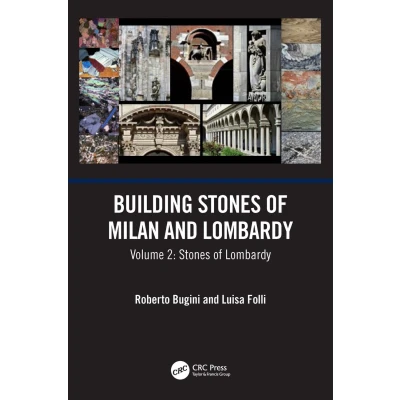
Volume 2 contains the description of the features of the stones reported in the Volume 1. These features include: metamorphic and magmatic rocks of the Alpine area; sedimentary rocks and loose materials of the Prealpine area; sedimentary rocks of the Apennine area; loose sediments of the Padania plain. Milan and Lombardy have played an important role in the Italian country since the Roman period. This importance is reflected also by the diffusion of stone architecture: a persisting trait of Milan architecture was the use of different stones in the same building. Milan lies in the middle of the alluvial plain of the Po, far from the stone quarries; some waterways were dug out in order to supply the building stones from the surrounding territories. The study of stone as building material was significant at the end of 19th century, but then it was largely neglected by both architects and geologists. So it is significant to suggest a study about the stones employed to build in Milan (Volume 1) in relationship with a petrographic study about the features of the stones quarried in the whole Lombard territory (Volume 2). Volume 2 contains the description of the features of the stones reported in Volume 1. These features include metamorphic and magmatic rocks of the Alpine area; sedimentary rocks and loose materials of the Prealpine area; sedimentary rocks of the Apennine area; and loose sediments of the Padania plain. Some stones, coming from other northern Italian regions, and used in Lombard architecture, are also described. Each stone is described in a "card" containing commercial and historical names, petrographic classification, macroscopic features, mineralogical composition, microscopic features, geological setting, quarry sites, transport to yards, morphology of dressed elements and surface handworking, use in architecture in the whole Lombard territory and abroad and decay morphologies. A particular investigation is addressed to the stones used during the 20th century; a great part of them were never used before in Milan and in Lombardy.
 Prijshistorie
* Prijshistorie bevat geen data van Amazon, Amazon Marketplace.
Prijzen voor het laatst bijgewerkt op:
 Gerelateerde resultaten
 Productspecificaties


